
Planning for the New Year: Lessons from the Garden and God’s Word Part 1
What tending the soil and studying scripture teaches us about faithful beginnings
January is an interesting time of year, but especially for us as gardeners. We’re usually very action-oriented people. Gardening by nature is not a passive endeavor. Our garden days are filled with tending the soil, starting seeds, planting, weeding, trimming and harvesting. Depending upon your climate, you may not be able to do many of those gardening tasks at this time of year. While we may miss aspects of having our hands in the soil, this month allows for a quieter but equally important task. It allows for planning for the new year of gardening.

God Speaks Through Soil and Scripture
Along with our developing our garden plans, January is also a time of planning for the new year of our everyday lives. Anytime I’m in the garden, or nature in general, I can’t help but see parallels between the living world before me and God’s design for our lives. And that’s no accident. God was the first gardener (Genesis 2:8) and hist first classroom was the garden (Genesis 2). We’ve been called to live within and steward his creation from the beginning. Today we’re going to learn some planning principles from the garden and God’s word.
The Foundation of Planning for the New Year: Stewardship and Obedience vs. Control
When I’m planning for the new year, I try my best to slow down the rush of ideas and expectations. Instead, I remember that my life’s foundation is not built on shifting sands but on the unchanging rock. And while I can’t necessarily control the outcomes, I can plan and prepare as an act of faith. With the right internal posture, planning is an act of stewardship and obedience, not control. Just like I steward my garden by preparing for the upcoming growing season, I can do the same with my daily life.
Preparing my garden for planting does not mean I’ll have perfect control over the growth- that’s not actually the goal. I prepare a good foundation for plants to grow out of, trusting that whatever comes out of this season, I’ll have the right resources at the right time. I sow seeds out of hopeful expectation and trust in the process, not out of anxiety, fear, or control. This is a process that takes times time to grow and mature in. Now let’s dive into some clear steps we encounter in the garden and in God’s word that apply to planning for the new year.
1. Prepare Before You Produce
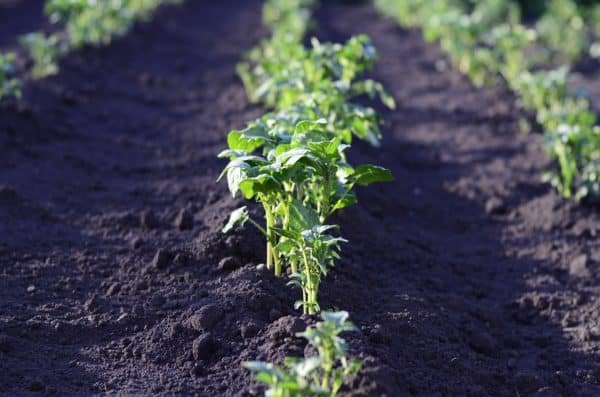
When starting a garden, we know better than to just grab any pack of seeds on the shelf, scatter them across some open ground and hope for the best. Now in fairness to nature’s amazing resiliency, there may be some seeds that take root and grow. But the plants will likely struggle, and growth will be haphazard at best. So just as we prepare the soil of our garden before planting in hopes the fruit it will produce, we see the same pattern in scripture.
In Genesis 1 and 2, God prepares, forms, and orders creation before life is fully established. Creation is made with a sense of order-not chaos or a lack of forethought. He prepares in advance all of creation before he creates mankind. He ensures that man has a place to live and tend that provides shelter and nourishment, along with beauty. This preparation in advance allows man to be established with a healthy foundation. Simply put, preparation precedes fruitfulness. Remember that when you feel tempted to rush through planning for the new year.
Reflection: Where might God be inviting you to prepare rather than rush?

2. Count the Cost Before Building
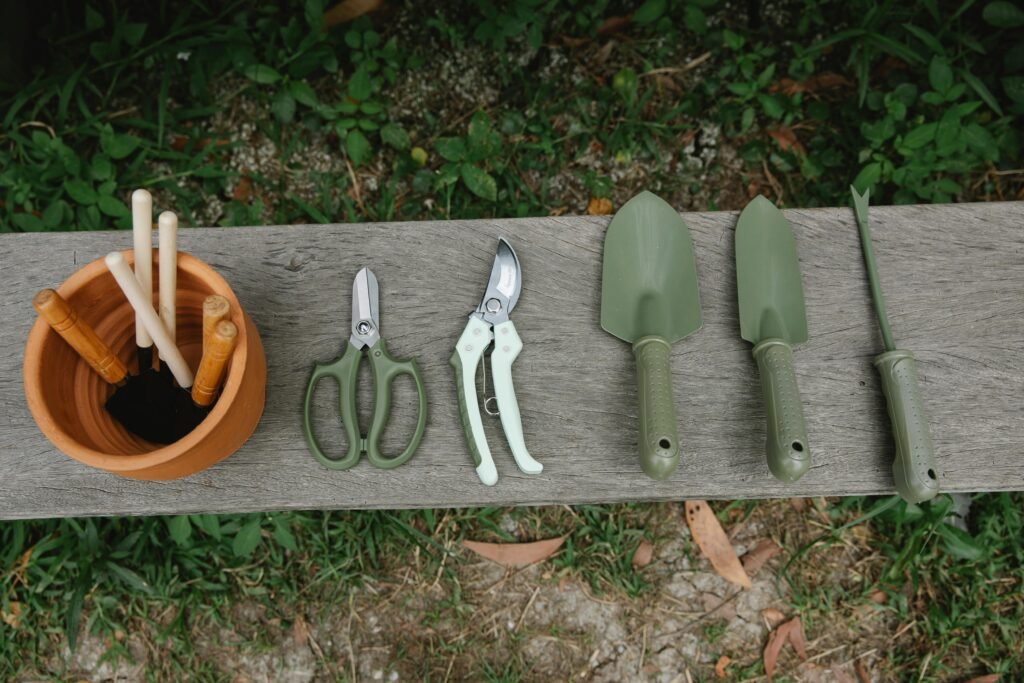
Garden planning requires consideration of what you’re starting with. In this series last year, I took a deep dive into all the factors to consider when starting a new garden. Those factors include growing space, sunlight, water, time, and many more. While the excitement of spring in the garden can propel us toward a flurry of action, it’s not always the most fruitful approach in the long run. We can choose the wrong plants, site a garden in the wrong place, or try to grow in soil that lacks nutrients.
When it comes to planning for the new year, the same type of considerations apply. In Luke 14:28, Jesus says, “Suppose one of you wants to build a tower. Won’t you first sit down and estimate the cost?”. In this instance, he is urging his followers to count the cost of becoming his disciples. And while we may not be leaving our family behind the walk the dusty roads of first century Palestine, we do walk the daily roads of our own lives.
We must consider what garden God is calling us to cultivate and tend in this season and the resources he’s given us for that task. What are your priorities? In the coming months, what do you need to protect capacity for? What does your time, schedule, and budget allow for? Asking these questions, even if we don’t have clear answers yet, shows wisdom and a reverence for God’s agenda over our own. I discuss these considerations even more in this series on pruning.
Reflection: What resources has God already given me for this season?
3. Trust Throughout the Seasons of Life
Seasons in the Garden
Close your eyes with me and imagine a cool summer morning. You walk out to your garden and see crisp lettuce ready to be picked. Cucumbers are hanging ripe from their vines and tomatoes are just starting to show their first blush of red. Several months later, you walk out early in the morning again and this time the ground is covered in a magical layer of crisp frost. Everything sparkles. You see a few sturdy plants still hanging on but many have succumbed to the colder temperatures and are hunkered down for the next several months.
These are two very different pictures but the difference between the two doesn’t strike fear or confusion for the gardener. They know to expect different weather and patterns in the four seasons. The experienced gardener knows that these seasons bring their own challenges and opportunities. You must learn to work with them instead of fighting against them. One season may be about harvesting and preserving the fruits of your labor. Another season may be about rest and the building of soil while it lays fallow. In Ecclesiastes 3, the seasons of life are spelled out clear as day.
Seasons in Your Life
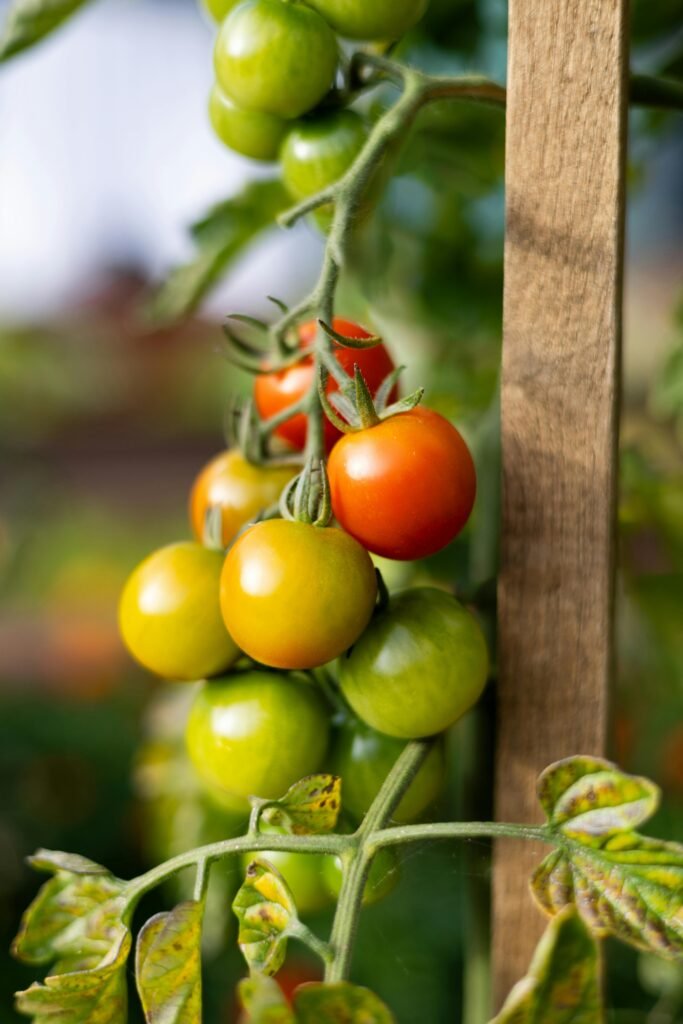
When we are planning for the new year, it’s incredibly helpful, freeing even, to remember that there are different seasons in life, just like in the garden. And knowing the season you’re in helps you determine not just what to do but when to do it. If you harvest your tomatoes when they’re green, they’ll be hard and will lack their typical sweet flavor. If you try to plant your hot peppers outside in February, their growth will be stunted or never happen at all due to freezing temperatures. As you consider what your new year may hold, also consider the timing of any steps in that direction. Keep your eyes focused on your own path, not your neighbors. Dialogue with the Lord about what this next year may hold (remember that a dialogue is about speaking and listening).
Reflection: What season do you find yourself in currently? Do you need discernment over the steps forward and their timing?
Final Thoughts on Planning for A New Year
Next time, we will continue to explore lessons we can learn from the scriptures and the soil when it comes to planning for a new year. For now, take some time to get quiet and answer the questions above. Consider where you are and where God may be calling you to go in the coming months. Remember that preparation precedes fruitfulness. Take stock of what you already have. And remember that the seasons of life, just like the seasons in the garden, are intentional by God’s design.



One Comment