How to Make Fresh Garden Tomato Sauce
Learn how to make fresh garden tomato sauce with ripe summer tomatoes. This quick and easy homemade sauce is perfect for pasta, lasagna, pizza, and preserving the flavor of your garden harvest.

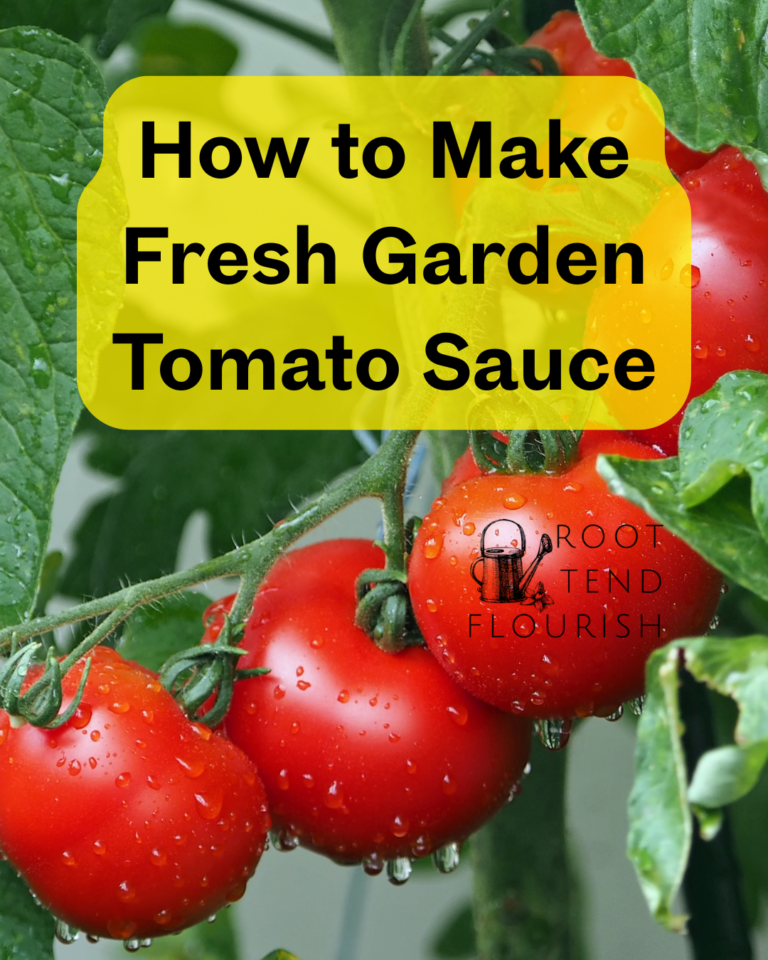
Learn how to make fresh garden tomato sauce with ripe summer tomatoes. This quick and easy homemade sauce is perfect for pasta, lasagna, pizza, and preserving the flavor of your garden harvest.
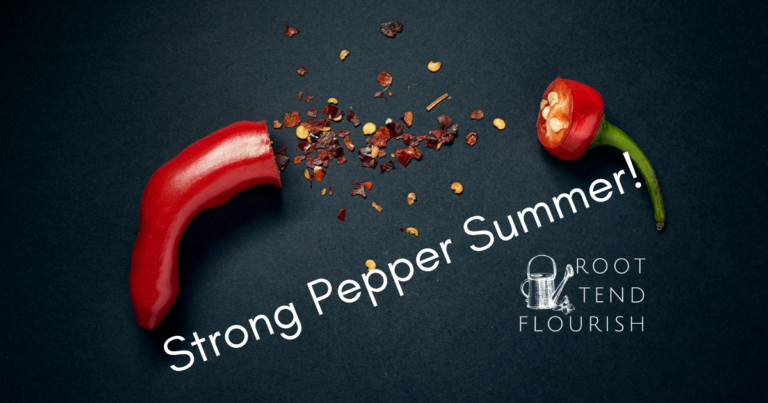
A blazing summer, overflowing pepper harvest, and a reminder from Jeremiah 17:8 that we can flourish even in the heat. Explore the lessons this “Strong Pepper Summer” offers for resilience, rootedness, and living with purpose.

Discover the best garden and nature summer picture books for kids—a joyful mix of stories that spark curiosity, celebrate the outdoors, and inspire young readers to explore God’s creation. These beautifully illustrated books are perfect for summer learning, backyard adventures, and nurturing a lifelong love of nature.
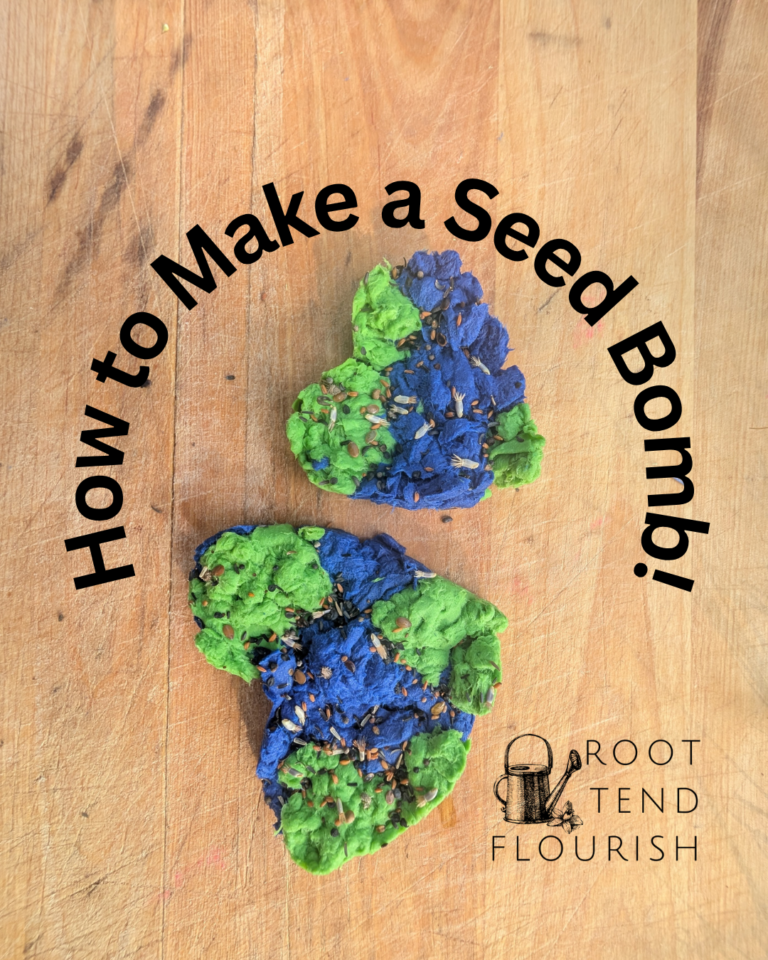
This spring I had the privilege of teaching a fun class at a local library. We dug into why pollinators matter and how to plant a garden that welcomes them in. And of course… we ended with a hands‑on project!
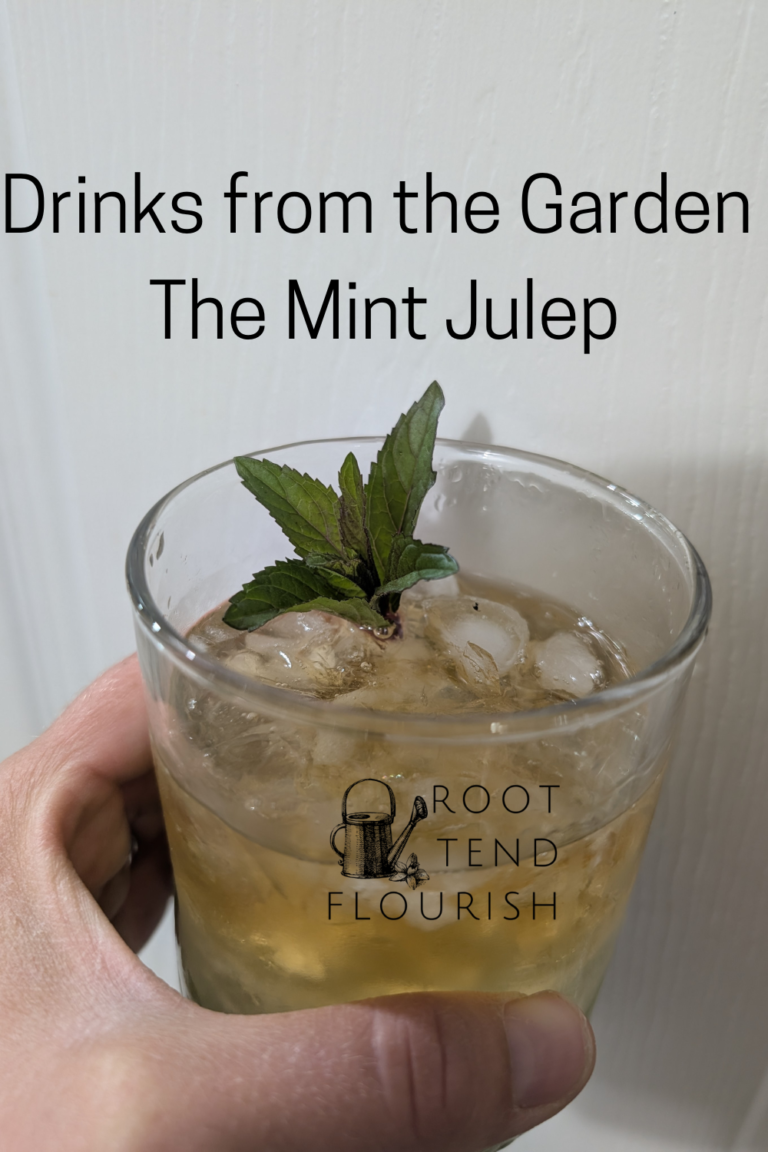
Discover how to grow, harvest, and mix the perfect garden‑fresh Mint Julep. From choosing the right mint to crafting a classic Derby‑day cocktail, this guide brings fresh flavor, simple steps, and a touch of Southern charm straight from your backyard.
Starting a compost pile is one of the easiest and most rewarding ways to cut down on household waste while creating something incredibly valuable for your garden. Instead of throwing out food scraps and yard clippings, composting turns them into nutrient‑rich soil that boosts plant health and strengthens your garden from the ground up. In Part 1 of the Easy Way to Compost series, we covered what compost is and what belongs in a healthy pile. Today, we’re taking the next step—how to build and maintain a compost pile that works efficiently, breaks down naturally, and supports your garden all season long.
Compost is often called black gold because it’s so good for your garden. It’s full of nutrients, it’s renewable, and it keeps a lot of kitchen and yard waste out of the landfill. While I love using compost in my garden, I don’t always love paying for it. The good news is that making your own compost is a simple skill almost anyone can learn. Today, we’re going to look at an easy way to compost and the basic steps to start your own compost pile. It doesn’t have to be hard or confusing, and a little effort this spring can give you rich compost for years. Let’s dig in.
Today, we’re wrapping up with three final essentials: how warm and cool colors influence mood, how contrast adds energy and focus, and how repetition creates continuity throughout your landscape.
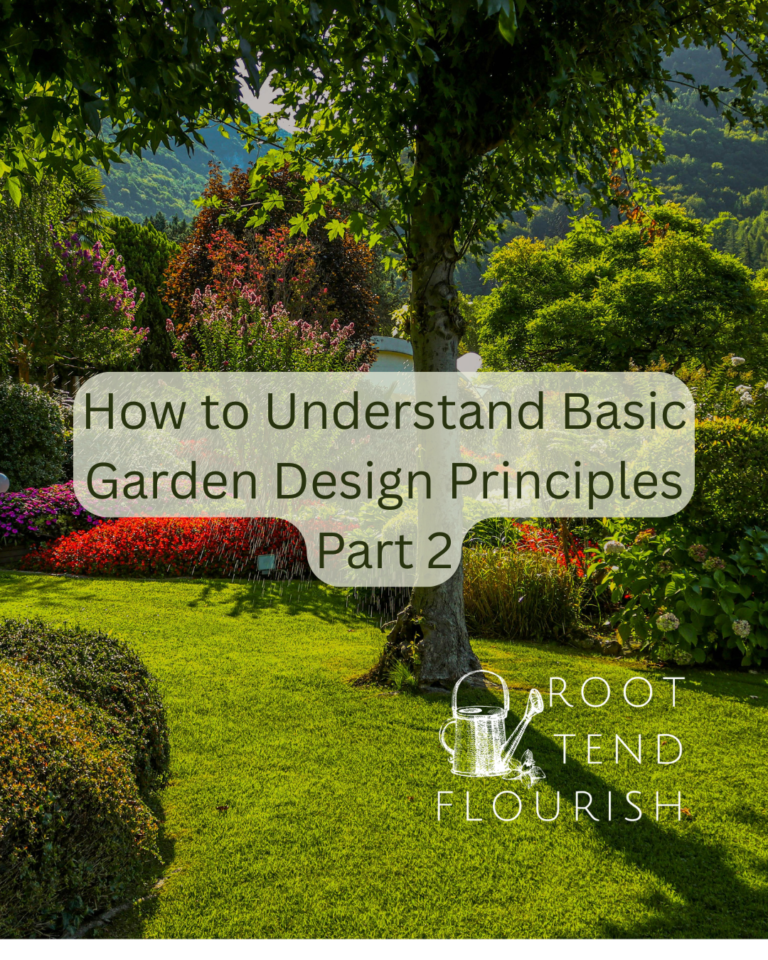
In Part 1 of our series on Basic Garden Design Principles, we explored why beauty matters and how understanding scale shapes every outdoor space. Today, we’re diving deeper into three foundational elements—shape, form, and texture. These simple design tools influence the entire personality of a garden, from a formal, structured layout to a playful, whimsical retreat. Even individual shapes can stir emotion: think of the graceful sweep of a Weeping Willow, often planted near water, quietly evoking feelings of sorrow or reflection. Understanding how these visual cues work helps you design a garden that not only looks beautiful but also feels meaningful.
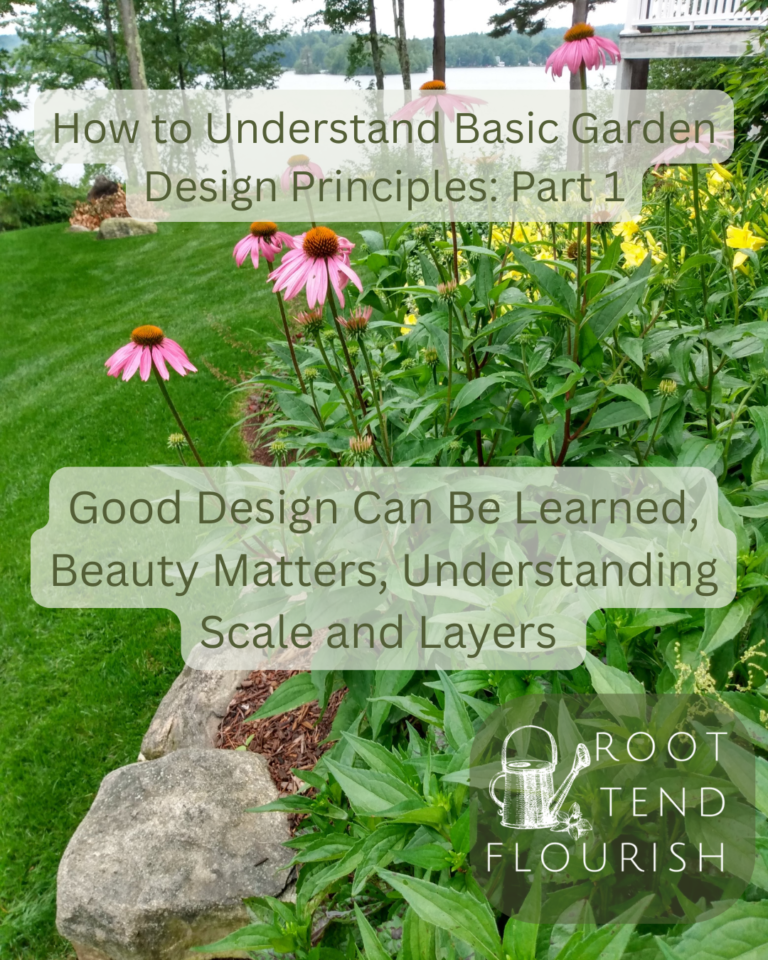
Garden design doesn’t have to feel intimidating or reserved for experts with fancy accents or years of formal training. While it’s easy to imagine designers as naturally gifted creatives, the truth is far more encouraging: basic garden design principles are completely learnable. With a little guidance and a willingness to experiment, anyone can begin creating outdoor spaces that feel intentional, beautiful, and uniquely their own.
We use cookies to improve your experience on our site. By using our site, you consent to cookies.
Manage your cookie preferences below:
Essential cookies enable basic functions and are necessary for the proper function of the website.
These cookies are needed for adding comments on this website.
Statistics cookies collect information anonymously. This information helps us understand how visitors use our website.
Google Analytics is a powerful tool that tracks and analyzes website traffic for informed marketing decisions.
Service URL: policies.google.com (opens in a new window)
You can find more information in our Disclosure & Privacy Policy and Disclosure & Privacy Policy.