How to Understand Basic Garden Design Principles: Part 3
Welcome to Part 3 of a series we’ve done exploring a number of basic garden design principles. In part 1, we established that beauty matters and good design can be learned and need not remain a mystery for the privileged few. We also dove into the principles of scale and layers in the garden. Part 2 focused on shape, form, and texture in the landscape. Today, we’ll wrap up the series by discussing the ideas of warm and cool colors and how to use contrast in the garden. We’ll also look at the idea of repetition and how that can provide continuity throughout the landscape. Let’s dig in!
Understanding Color as a Basic Garden Design Principle
Color in the landscape is likely the most familiar concept to the average gardener. You may have shown up to the garden center one day to grab a few bags of mulch. The enticing color of the blooms of a perennial grabbed your attention. Before you knew it, the back of your car was full of those bags of mulch along with five other perennials you just had to have. Their blooms were just too beautiful to pass up.
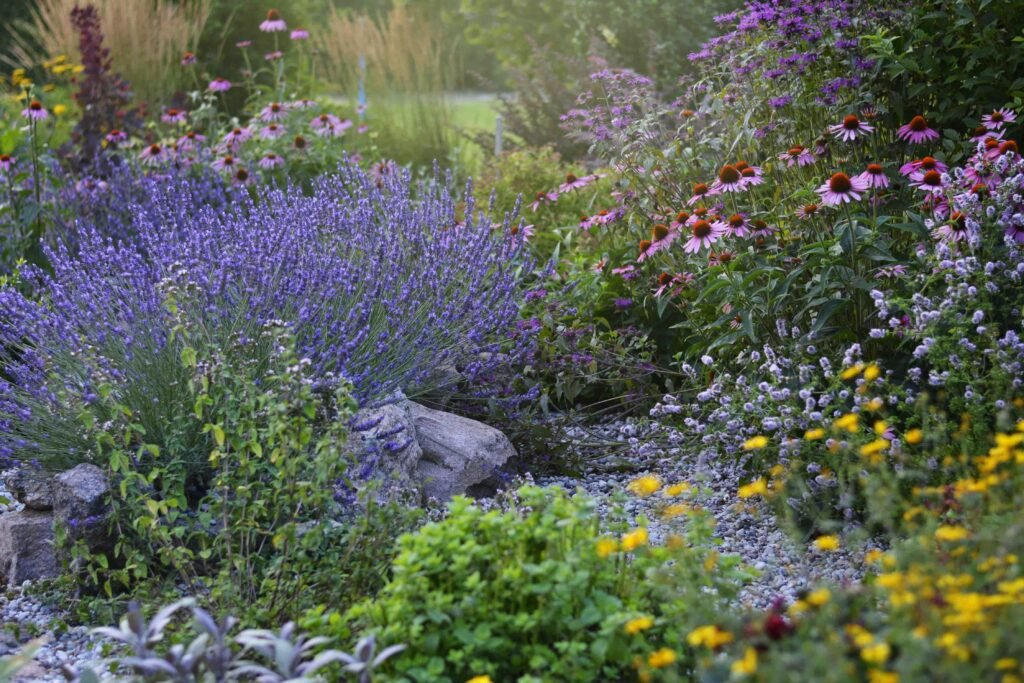
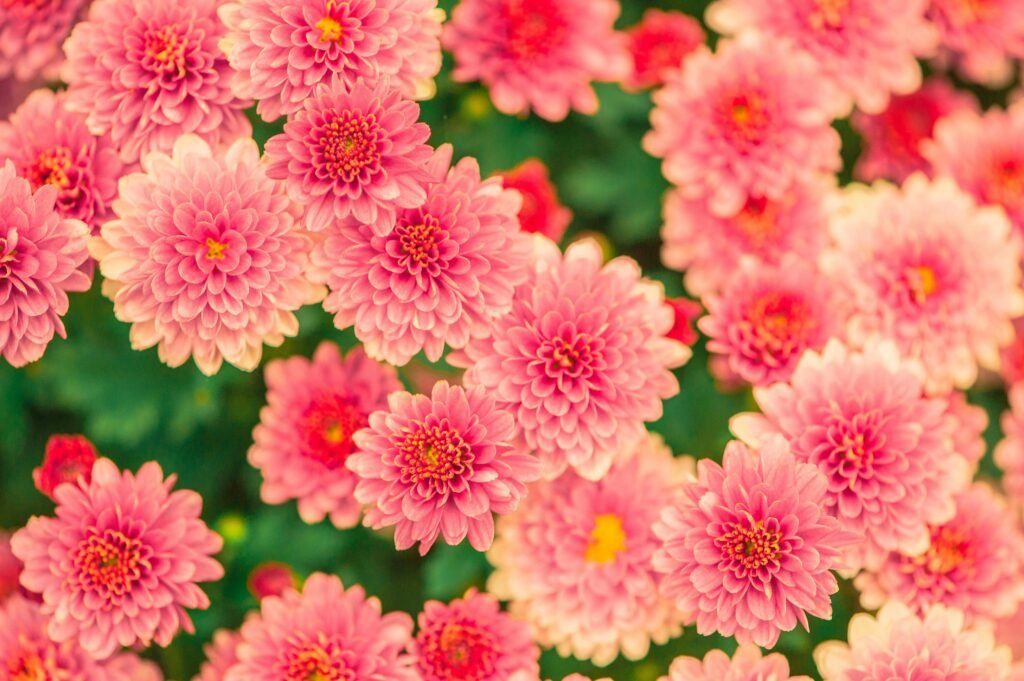
While we can certainly appreciate different colors for their beauty, they also play an important role in the garden. Colors, and especially certain color combinations, can evoke a certain mood in the landscape. Reds and pinks add a lively flair and excitement to a space. Whites and blues can create a sense of calm and serenity. Colors can also be used to draw your eye to a particular place or let another area recede into the background. This is mostly accomplished through the idea of cool verses warm colors. Let’s jump into that a bit more.
Warm Colors vs. Cool Colors
On the color wheel, warm colors are going to stretch from yellow to orange to red on one side of the circle. On the other half of the color wheel, green transitions to blue and blue transitions to violet. One half of the color wheel pops with energy, brightness, and life. The other half feels more grounded, mellow, and tranquil. Just these colors would greatly affect how a room in your house feels, they can have the same effect in the garden.
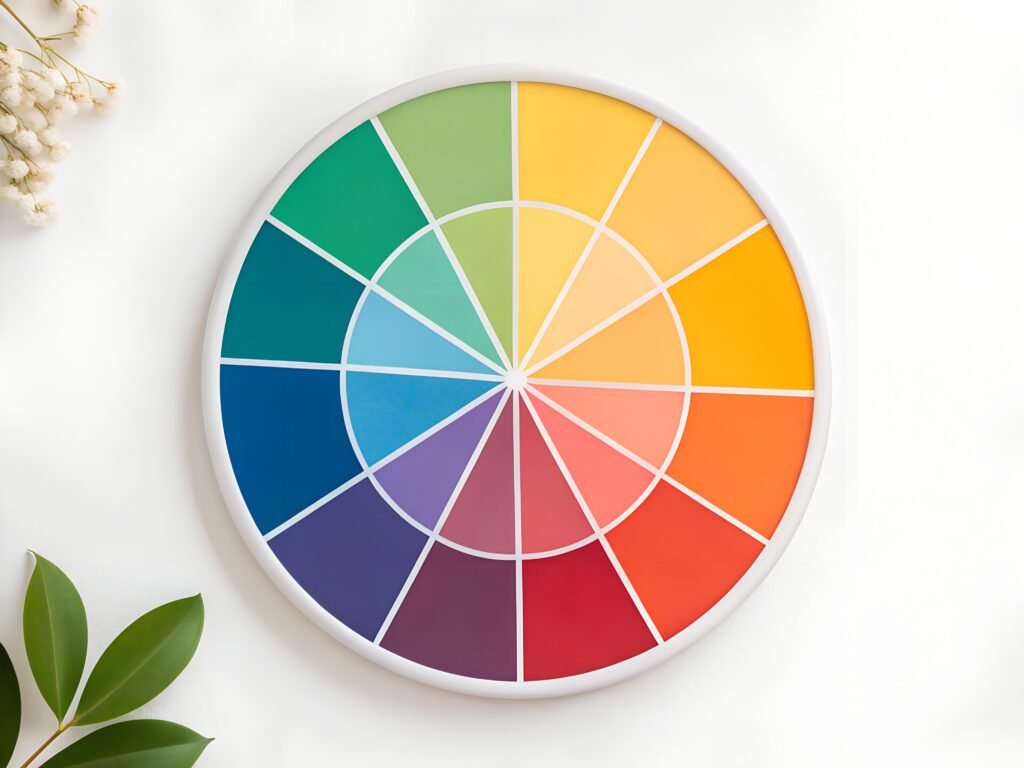
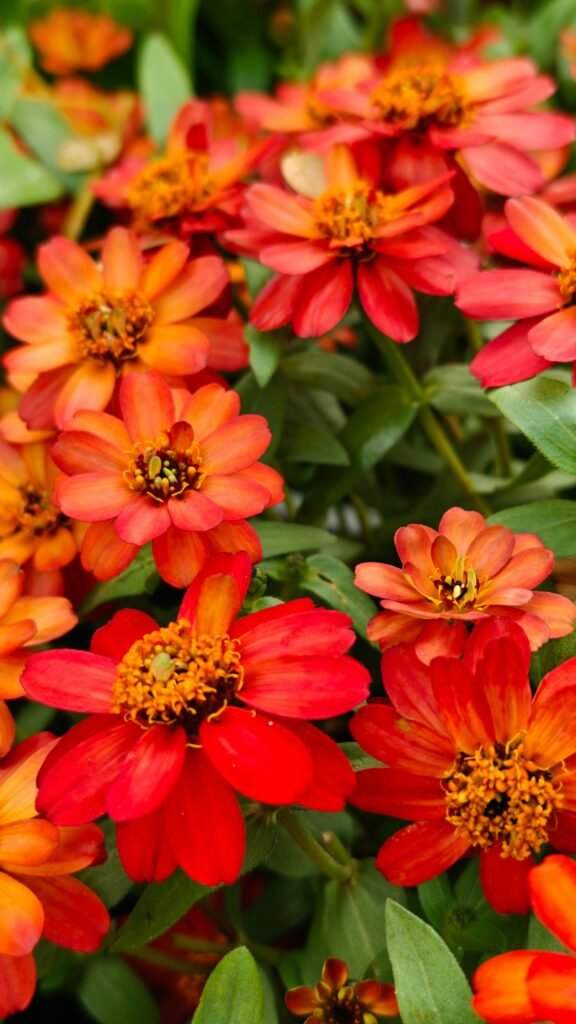
Warm colors tend to evoke a feeling of energy, cheerfulness, and life. They are the color of heat and warmth, and we are naturally drawn towards them. Think of a brilliant red sunset, a glowing orange fire, or a bright sunny summer day. In the garden, these colors tend to advance the eye and visually move toward us. You can use warm colors to strategically direct your eye to a specific place. Some examples of warm color plants are black eyed susans, poppies, echinacea, sunflowers, daylilies and milkweed.
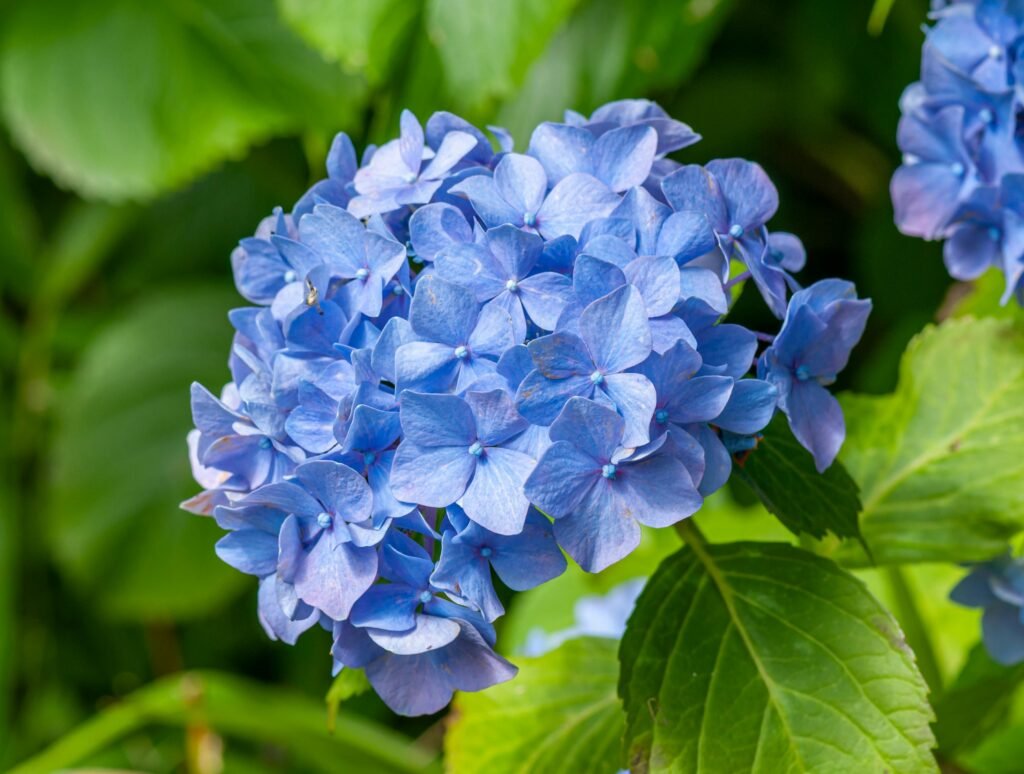
Cool colors tend to make us think of cool natural elements. Running water, ice in winter, shady green leaves, and the night sky all have a cool feel to them. These colors tend to recede away from our eye which can make an object feel farther away. Use cool colors in your garden if you wish to evoke a sense of spaciousness and depth. Salvia, catmint, Russian sage, phlox and globe thistle are all examples of cool color perennials.
Using Contrast in the Garden
Directly related to color, contrast is another basic garden design principle that is important to understand. In its simplest definition, contrast is when you have two elements next to each other that are strikingly different. You can have contrast in many different ways in the garden- shape, form, texture, and size to name a few. Today, we’re going to focus on contrast related to color.
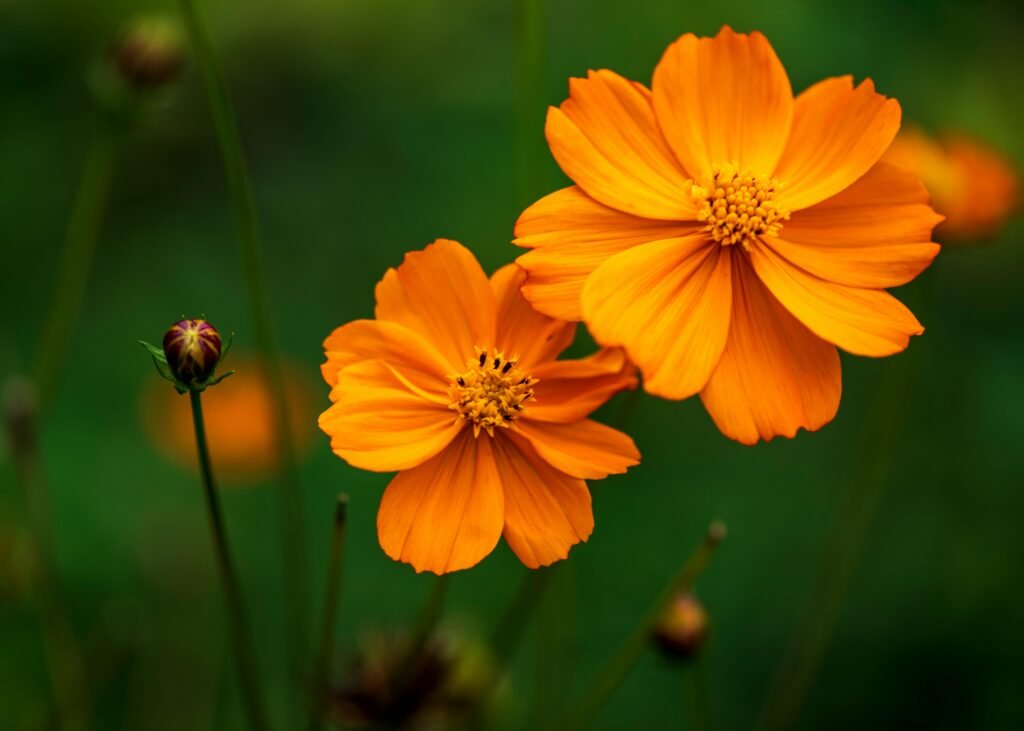
Now that you have a solid understanding of warm and cool colors, you can imagine how they naturally contrast with each other. A bright red flower against a darker background will pop in the garden. If you want drama in the garden, a sense of energy and activity, contrast can be an effective tool to accomplish that. It prevents monotony and adds layers of interest through out the seasons.
Contrast in the garden isn’t only relegated to plants, however. Mulches, such as dark shredded bark mulch, light colored gravel or natural straw all create a sense of contrast in the landscape. Take a walk through your garden and see if your plants tend to be in the same color family or a are variety of colors. How do the other materials in your garden blend in or stand out? Look at your mulches, groundcovers, fences, patios and containers. They all contribute to the overall look and feel of a space.
Repetition as a Basic Garden Design Principle
In garden design, the regular placement of plants or hardscape elements creates a sense of rhythm in the landscape. Just like we have a regular cadence when we walk, the strategic placement of repeated objects creates a visual beat that helps guide one through a space. This can be accomplished in a variety of ways in the garden. A line of evenly planted trees, the same large containers repeated at entrances and exits, a series of steppingstones, drifts of the same flower planted in several areas of the yard- all of these create a sense of rhythm. It also lends a sense of predictability and order to a space, which we naturally gravitate towards.
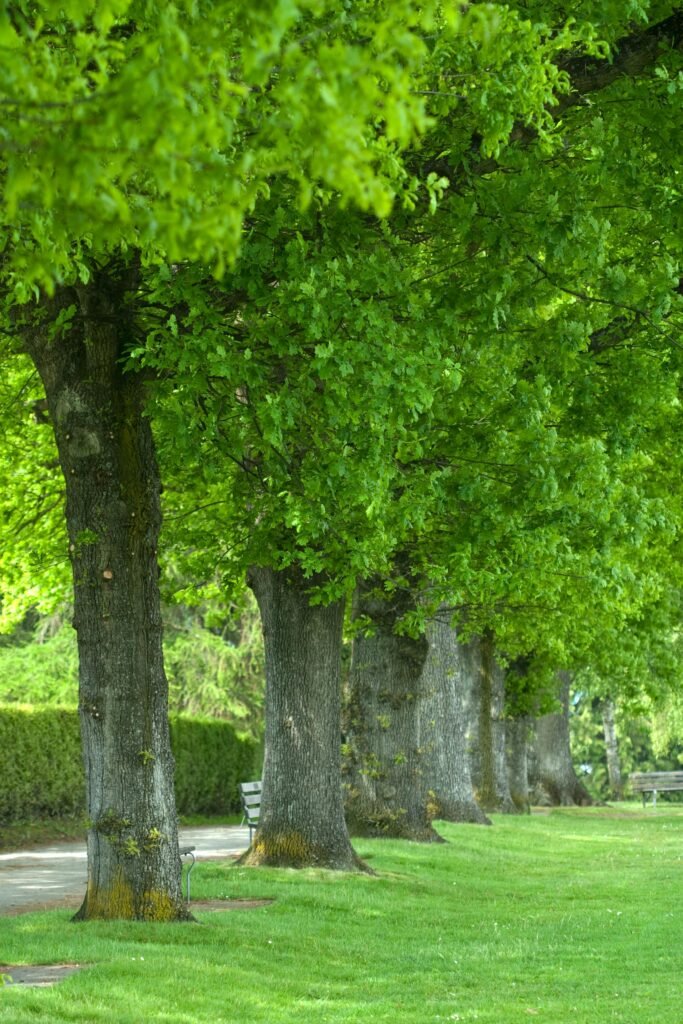
Typically, to effectively create a sense of rhythm in a space, the element should be repeated a minimum of three times. Don’t be afraid to play around with how far apart or close together the elements are spaced. Closely spaced objects imply a more dynamic, quick pace while objects further apart create a slower, more leisurely rhythm.
Final Thoughts on Understanding Basic Garden Design Principles
In the end, a truly captivating garden isn’t created by chance—it’s shaped through thoughtful choices. Color sets the mood, contrast adds energy and definition, and repetition brings a sense of harmony that ties everything together. As you continue to design and refine your space, pay attention to how these principles interact, and don’t be afraid to experiment. Gardens evolve over time, and with each season comes a new opportunity to deepen the beauty and interest of your outdoor space.