
Dirt Cheap Gardening: The Easy Way to Compost Part 1
Now that we’re firmly rooted in spring, you may be considering what garden chores need to be done. Improving garden soil was one of my top tasks this season. When you think of improving soil, what’s one thing you always hear, year in and year out, to add to your garden? If you guessed compost, you are correct! Today we’ll learn the easy way to compost so you can learn to improve your garden soil.
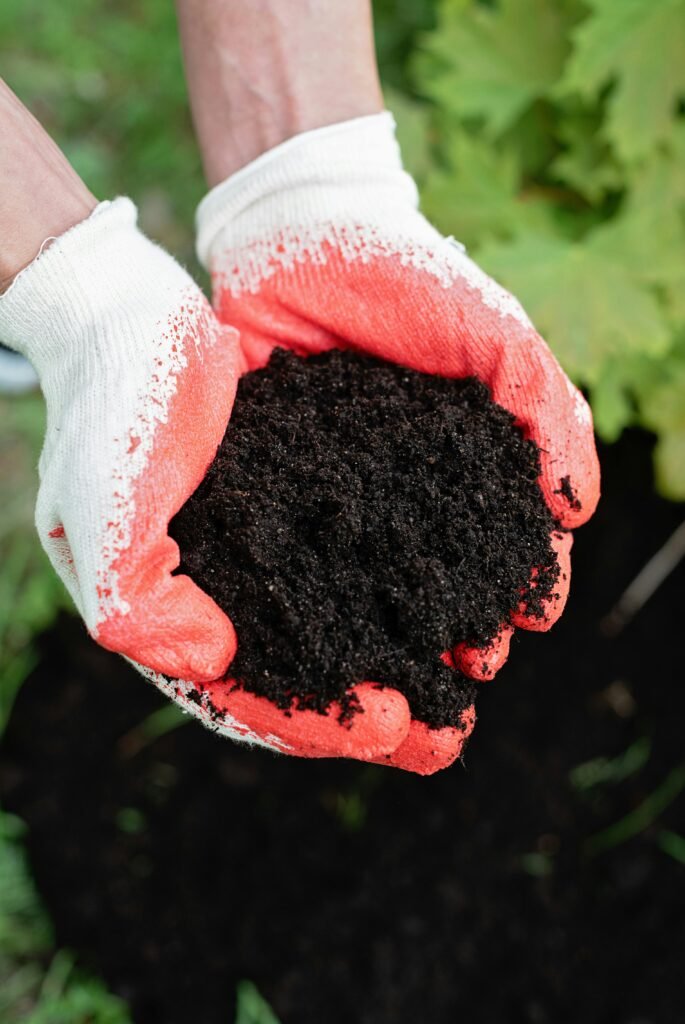
Compost is known as black gold and for good reason. It’s a nutritionally rich, renewable resource that pays back in spades when added regularly to your soil. It also eliminates a significant amount of waste from heading to the landfill. While I do love adding this black gold to my garden, I don’t always love paying for it. The good news is that learning to compost is a very doable skill for many people. Today, we’re going to go over the easy way to compost and the basics of getting a compost pile started. It doesn’t have to be hard or complicated and a little effort this spring will pay off for many years to come. Let’s dig in.
What Is Composting?
Before we jump into the details of the easy way to compost, let’s define what composting actually is. Simply put, composting is the natural process of breaking down organic materials—like food scraps and yard waste—into nutrient-rich soil. This process happens naturally every autumn when leaves fall onto the ground. As winter sets in, the leaves slowly decompose and add nutrients to the forest floor, which feeds surrounding plants. It’s a built-in cycle the repeats itself every year. I just love seeing how God built these rhythms into our natural world. It truly shows his heart of careful consideration, attention to detail and provision for his creation, including us!
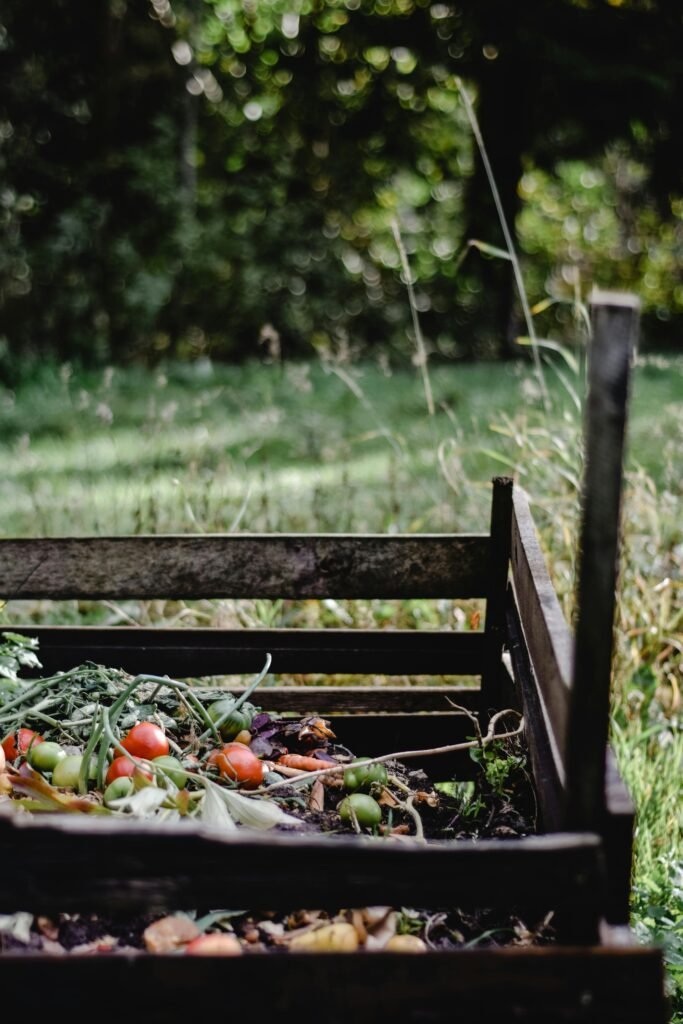
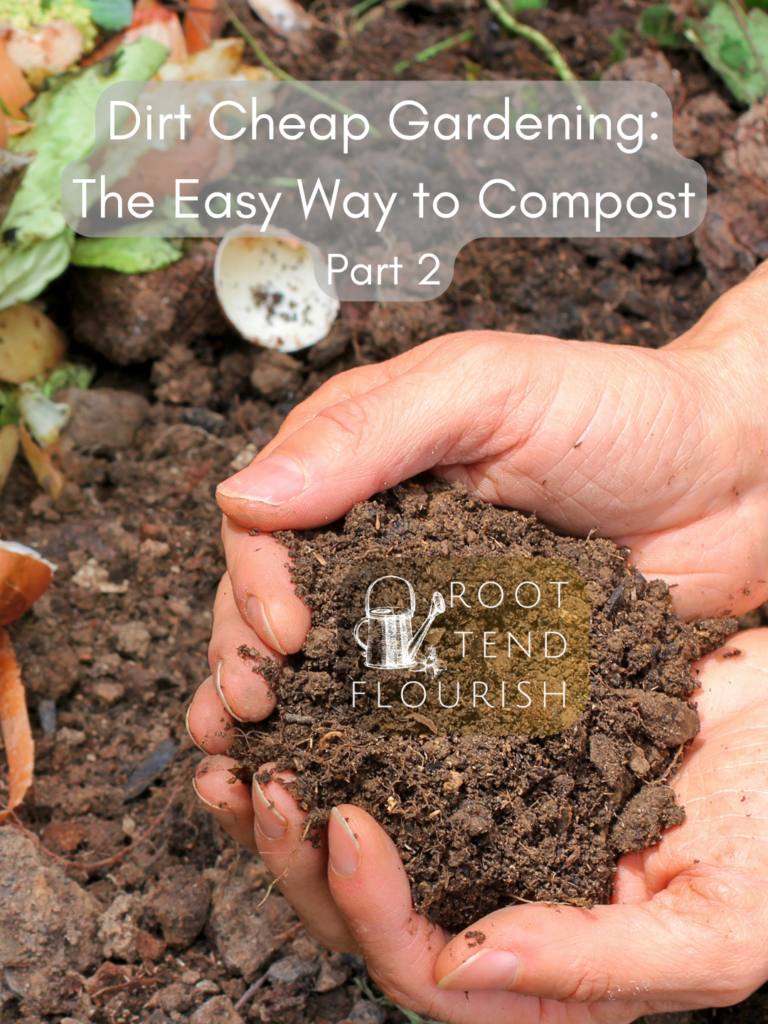
Back to the compost cycle. The composting process happens thanks to microorganisms, oxygen, and moisture working together to decompose materials over time. The end result is a dark, crumbly compost that smells earthy (not rotten!) and is packed with nutrients plants love. When we create a compost pile in our own backyard, we’re simply mimicking what we see happening in nature.
The Easy Way to Compost: What You Need to Start a Compost Pile
Now that you understand the process of composting, let’s get into the basics of what you need to get started. There’s no one-size-fits-all approach to composting. Choose a method that fits your space and lifestyle. Some of the options include:
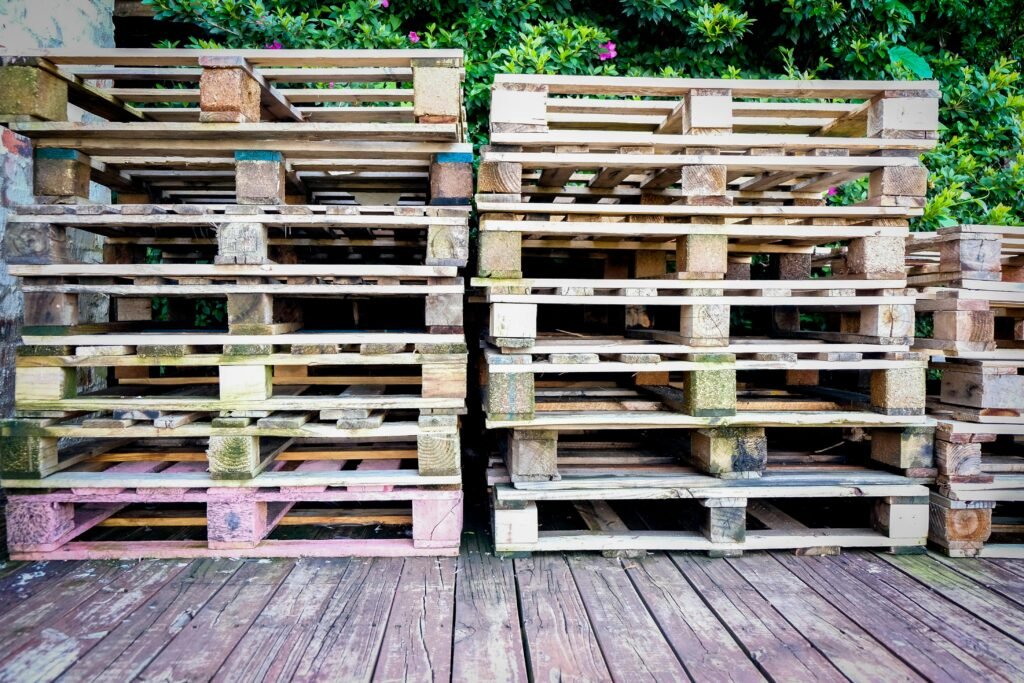
Backyard Compost Pile
This is the simplest and most affordable option. This can just be a pile on the ground in the corner of your yard. You can also enclose with pallet walls on three sides.
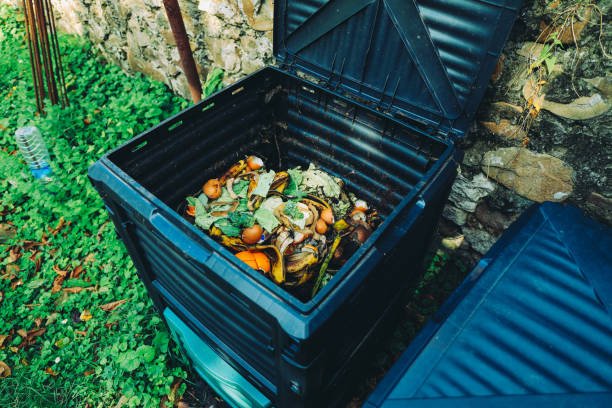
Compost Bin
This plastic bin keeps things tidy, contained and a little more inconspicuous in a small space. These are essentially four plastic walls with a lid but no bottom. You add your materials to the top of the pile and can pull finished compost out of the bottom through a removable plastic panel.
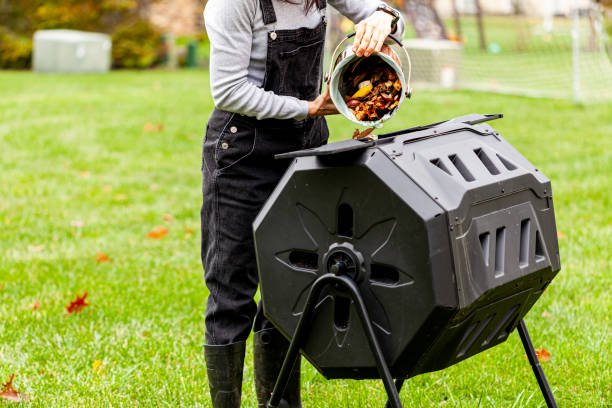
Compost Tumbler
This plastic barrel sits on a stand and allows for easy addition of materials. The stand allows for easy turn of the pile without the use of a shovel or pitchfork. The smaller size also speeds up the process and allows for your compost to be ready sooner.
Indoor Composting
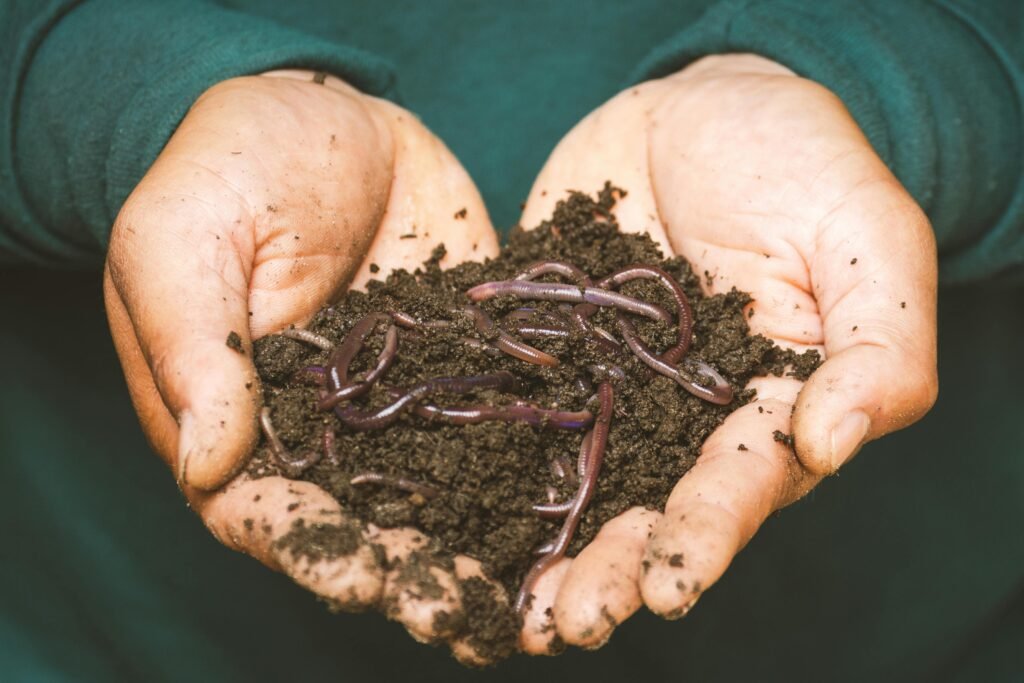
There are some small indoor sets you can source for indoor composting. Worm composting is great for small spaces and worm compost bins require very little space.
You can see what the best option is to get started and assess the space in your yard. Remember, starting small and simple is better than not starting at all. Pick an easy way to compost that works for your capacity right now, whether that’s your available space, time and budget. You can always expand your composting space later on or try a different method.
The only other tools you’ll really need is a shovel or pitchfork to turn the compost if you have a backyard pile or bin. I prefer a pitchfork because it grabs into different sized organic materials a bit easier than a shovel. But simply use what you have. Again, focus on getting started rather than getting hung up on doing it perfectly.
The Easy Way to Compost: What Can You Add to Your Compost Pile?
A successful compost pile needs a balance of “greens” (nitrogen-rich) and “browns” (carbon-rich) materials. Carbon and nitrogen are essential elements in composting. They provide the energy and building blocks for the microorganisms that decompose all the organic matter in your compost pile. As the decomposers break down your yard and food scraps, they turn it into nutrient-rich compost. The necessary players for rich compost are all around us. We’re simply bringing them together to do the dance of decomposition in a very specific place and time for our personal use. So what can you add to your compost pile?
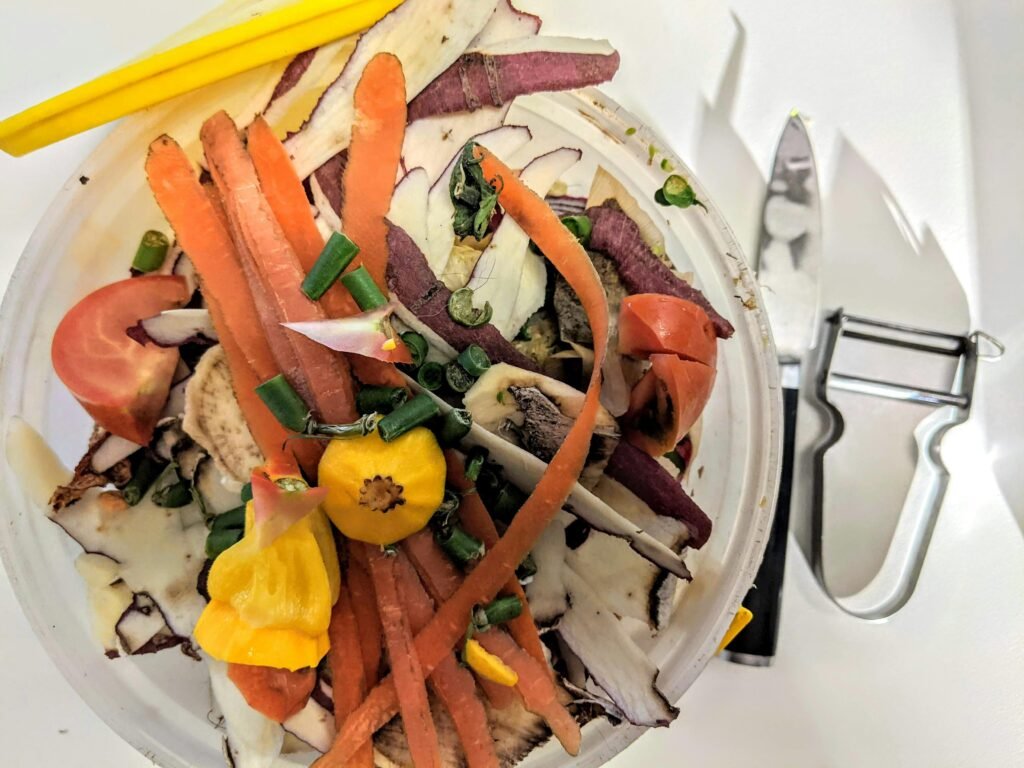
Greens (Nitrogen-Rich Materials)
- Fruit and vegetable scraps
- Coffee grounds and tea bags
- Egg shells
- Fresh grass clippings
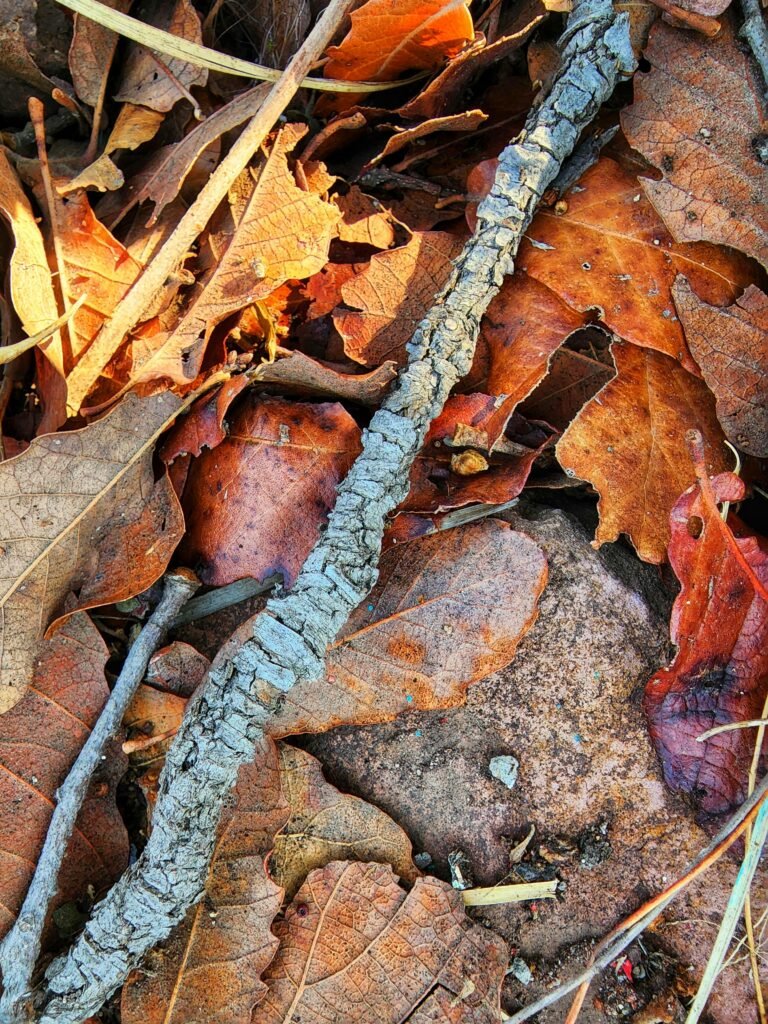
Browns (Carbon-Rich Materials)
- Dry leaves
- Paper and cardboard (free of tape/labels)
- Twigs, straw, or sawdust
What Not to Compost
While you can compost most organic materials, there are some to avoid. The following materials can attract unwanted pests to your pile or contribute bacteria and pathogens. They can also be slower and inefficient in their decomposition, which can throw off the balance of carbon and nitrogen in your pile.
- Meat and dairy products
- Oily or greasy foods
- Pet waste
- Diseased plants
Wrapping Up the Easy Way to Compost
Today we went over why compost is key for good soil and how it reduces waste and expenses. We also covered different setups for composting and the basic ingredients to get a compost pile going. In Part 2, you’ll learn step by step how to set up your compost pile and the basic maintenance involved. You’ll also learn some basic troubleshooting tips and how to know when your compost is ready to use. Building good soil is critical for a healthy garden, and compost is hands down the best way to do that. Fortunately, it doesn’t need to be complicated, costly, or confusing. This easy way to compost is all you need to get started. So, get out there and find the best spot for your future compost pile!

One Comment