Dirt Cheap Gardening: The Easy Way to Compost Part 2
Starting a compost pile is one of the simplest and most rewarding ways to reduce household waste while creating something incredibly useful for your garden. Instead of tossing food scraps and yard clippings into the trash, composting transforms them into nutrient-rich soil that can boost the health of your garden and plants. It’s a win win! In part 1 of the Easy Way to Compost, we discussed the basics of what compost is and what you can add to a compost pile. Today, you’ll learn the steps of building and maintaining a compost pile that works efficiently and sustainably.
The Easy Way to Compost: Getting Set Up
- Choose a location
- Start with a base layer (browns)
- Add greens
- Maintain balance (greens vs browns) 1: 3
- Water and aerate regularly
Ready to begin? Follow these simple steps:
1. Choose the Right Location
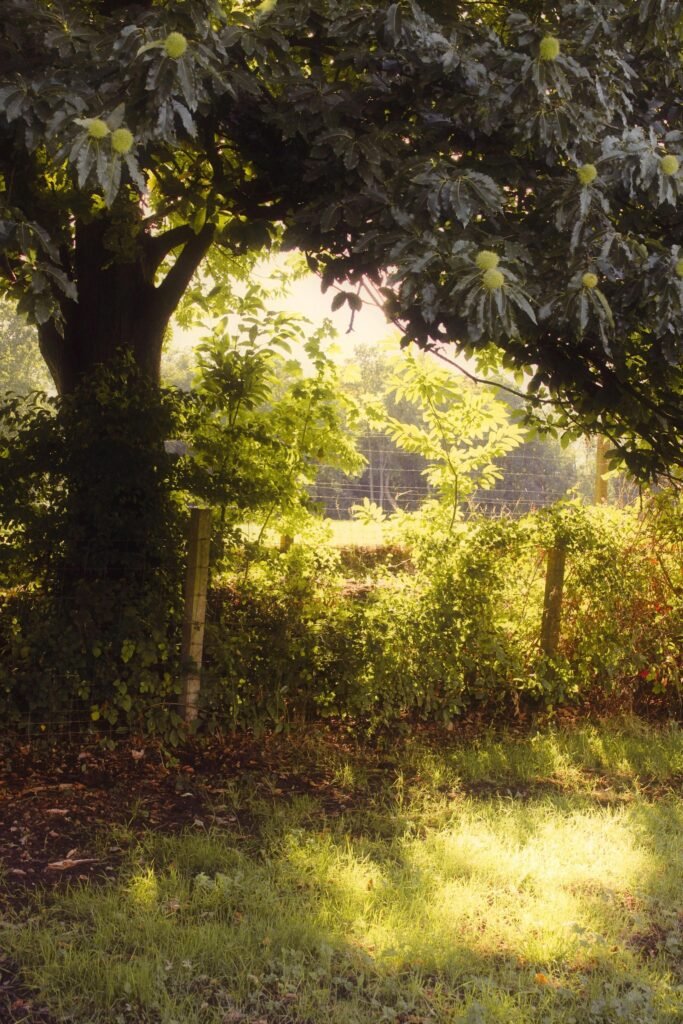
Pick a dry, shady spot with good drainage. Make sure it’s convenient enough to access regularly. You want a spot that is easy enough to run a bowl of food scraps out to on a daily basis. You’ll also need enough space to maneuver that rake or shovel to turn the pile. If you’re using wooden pallets to make your pile, you can simply turn the pallets so their standing straight up. Inside the pallet, pound in metal stakes to keep the pallets up right. Line up three together in a u shape for a three-sided structure. The front side remains open to easily turn the pile.
While there are more complex compost bin designs, this is a simple set up that is an easy way to compost. You can find clean pallets for free by asking local businesses or checking online neighborhood groups. Metal stakes can be found in local hardware or farm stores. In about 15 minutes you can have your pallet structure built and ready to go.
2. Build Your Layers
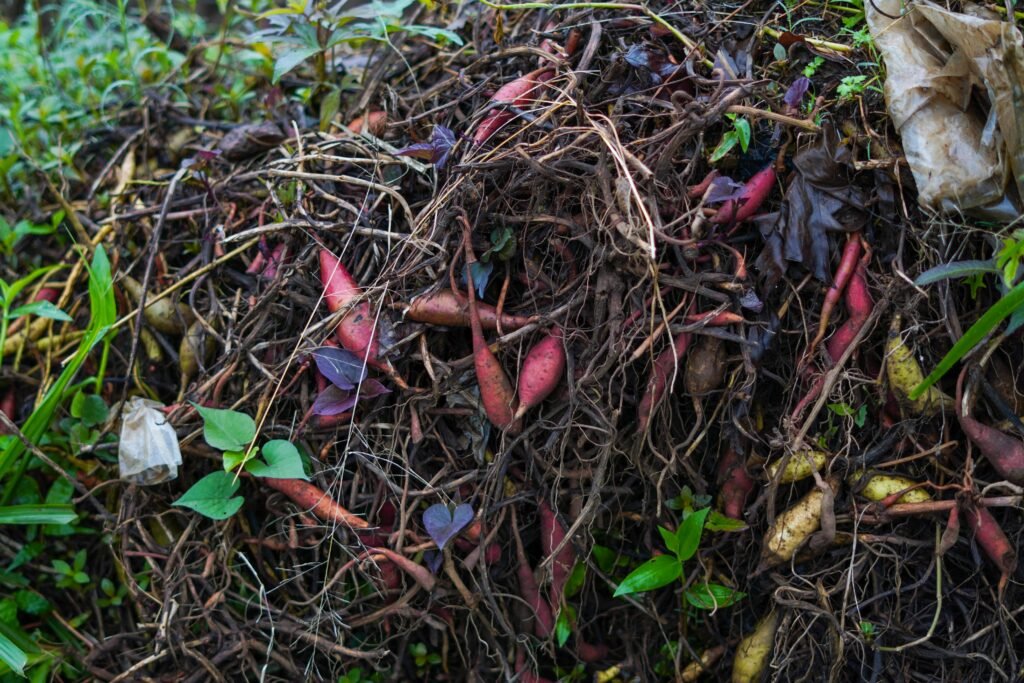
Start with coarse materials like twigs or straw to help with airflow. Alternate between greens and browns as you build your pile. Aim for roughly a 3:1 ratio of browns to greens. For every amount of green you add, try to add 3 times as much brown. This will help create the right balance of carbon and nitrogen and allow those decomposers to do their job.
When adding green layers (food scraps) to your pile, it’s easy to have a countertop bucket or bowl in your kitchen to collect food scraps in. There are many options including fancy canisters with charcoal filters. While these are a nice, tidy option, I just use a metal canister or bowl to collect my food scraps.
Once a day, I’ll run the bucket out to the compost pile and dump it. If I find I’m filling this bucket more than once per day (perhaps in seasons where I’m cooking more), I will keep a small plastic bucket with a lid under my kitchen sink and add food scraps there. I still empty it once per day, but it allows for a bigger collection of food scraps to collect. Don’t let yourself get hung up on this step. If you’re emptying your food scraps once per day from your kitchen, smells will not be an issue. Keep it simple!
3. Add Moisture
Your compost should feel like a wrung-out sponge—damp but not soaking wet. If you get natural rainfall, this will keep it moist. Keep an eye on the pile in dry spells. You may need to occasionally spray it down with a mist of water. Remember, you want it to be moist but not sopping wet. If you do spray it with water, give the pile a quick turn afterwards to help distribute the moisture throughout the pile.
4. Turn the Pile
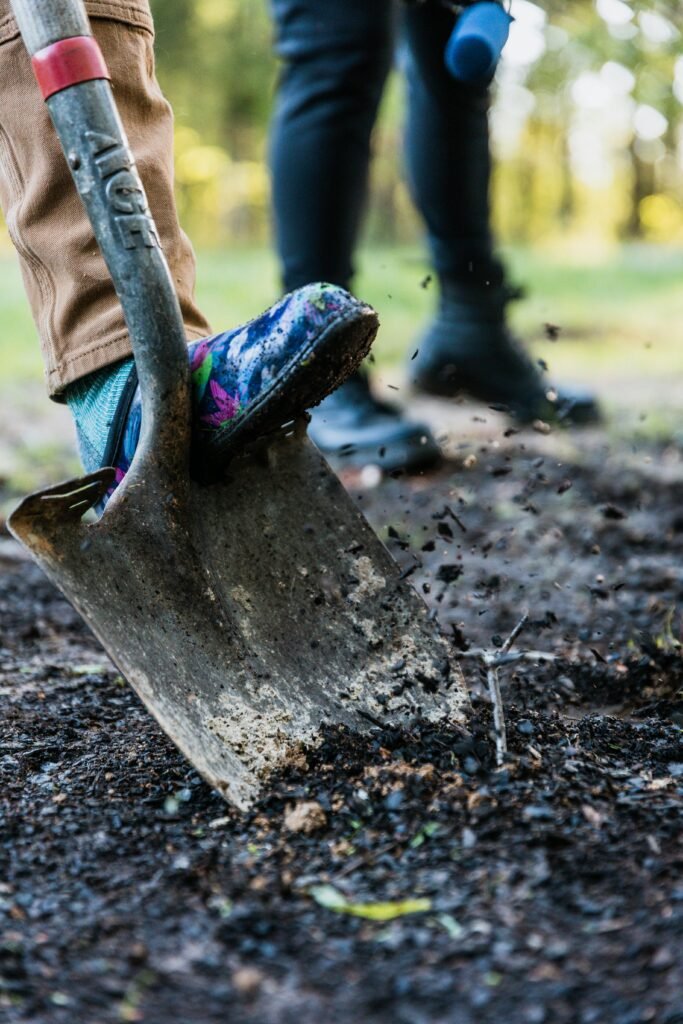
Along with proper layers and moisture, compost needs oxygen to properly break down organic matter. This is accomplished by ensuring good airflow to the pile. For an open-air pile, this happens naturally. With pallet walls, their open structure allows for good airflow while neatly containing the compost. If you use a different material to construct your compost bin, just be sure it allows for ample air flow to the pile. Once you’ve started your pile, mix or turn your compost every 1–2 weeks to add oxygen and speed up decomposition.
Easy Way to Compost: Maintenance Tips
While a compost pile doesn’t need the same level of maintenance as your garden beds, there are some basic things to monitor every so often. Remember that the needs of a compost pile are pretty basic, but each part plays an important role. In order to decompose efficiently, compost needs carbon (brown layer), nitrogen (green layer), water (natural rainfall or a spray with a hose), and oxygen (good air flow). Keeping things in balance is what will lead to rich, healthy compost and not just a pile of rotting materials. Here are a few simple things to check:
- Balance materials: Add browns if it’s too wet, greens if it’s too dry.
- Monitor moisture: Add water during dry periods.
- Turn regularly: Helps prevent odors and speeds up the decomposition process.
Common Compost Problems (and Fixes)
- Bad smell? Add more browns and turn the pile
- Too dry? Add water and more greens
- Not breaking down? Turn more often and check your material balance. Also ensure there is adequate air flow.
When Is Compost Ready?
Most compost piles take anywhere from 2 to 12 months, depending on conditions and maintenance. In the winter, decomposition slows down due to colder temperatures. It will pick back up when spring brings warmer temperatures. It will take some time when you first start out until compost is ready.
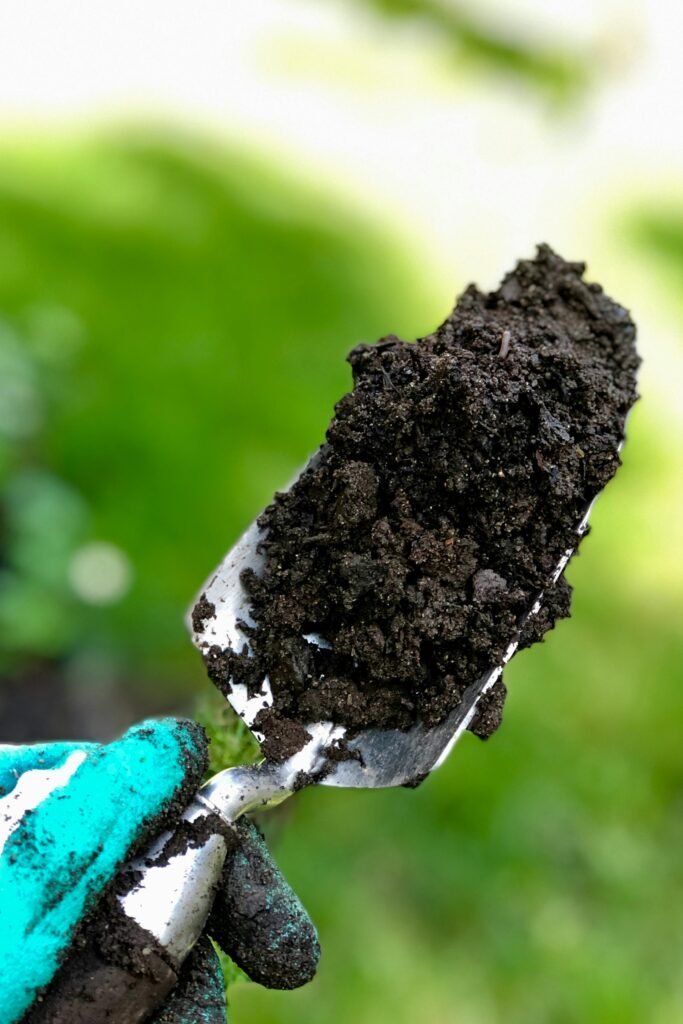
Finished compost is easy to recognize:
- Dark brown or black in color
- Crumbly, soil-like texture
- Earthy, fresh smell
- Original materials are no longer visible
It is possible to eventually have a steady supply of compost. This is best accomplished with multiple piles instead of just one. After you’ve got your first pile set up and going strong, you can start a second pile next door to have a steady supply of compost. When the first pile of compost is ready for use and eventually depleted, you can start putting fresh layers of brown and green in that open space. You’ll simply alternate between building the two piles, whether they’re two open air piles or two pallet bins next to each other. As one pile matures and is in use, another pile can slowly build.
Beginner Composting Tips
- Start small and keep it simple
- Use a kitchen container to collect scraps
- Don’t stress about perfection—composting is forgiving
- Stay consistent for the best results
Start With the Easy Way to Compost Today
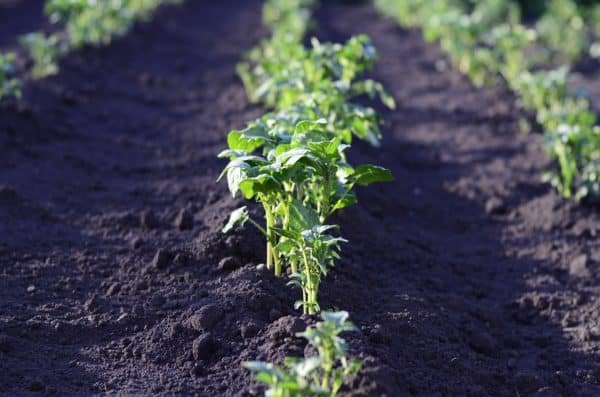
Starting a compost pile is one of the easiest and most impactful ways to reduce waste and improve your garden naturally. With just a little effort and consistency, you’ll turn everyday scraps into valuable “black gold” for your soil. Soil truly is the building block of any garden. If plants are struggling, you always want to start by inspecting your soil. Any healthy soil is built by regular additions of the organic material found in compost. You’ll be saving yourself money, significantly reducing food waste (and your trash load) and rapidly building soil health. Why not start your compost pile today? Your garden, your wallet and God’s green earth will thank you.