
How to Understand Basic Garden Design Principles: Part 1
Good Design Can Be Learned, Beauty Matters, Understanding Scale and Layers
When people hear the phrase “garden design” it may conjure up an image of stuffy British lady with a thick accent. Or perhaps you imagine a young hipster clad in a turtleneck and black-rim glasses with an attitude for miles. Their ability to create beautiful and functional landscapes must be an inherent gene in their DNA. Or it’s only something they’ve grasped after years of study and practice. But here’s the deal. Basic garden design principles can be learned. They need not remain a mystery.
For the layperson, developing an understanding of a few basic garden design principles goes a long way. While there is certainly such a thing as a natural talent for the arts and design, there’s also much that can be learned and put into practice. Even at the most basic level, this can vastly improve the feel and function of one’s everyday garden. So, repeat after me. Good design can be learned. Now, let’s get into it.
8 Basic Garden Design Principles
In this three-part series, we will cover eight basic garden design principles.
- Scale
- Layers
- Shape
- Form
- Texture
- Color
- Contrast
- Repetition
We’ll start off by learning about scale and layers this time. But before we do, there’s one key idea that we need to establish.
Beauty and Function Both Matter
In our world of extremes, we can often be led to believe in one of two ideals when it comes to design. One-that the appearance of a space matters most of all. Or two- that the function of something is the most important thing. The truth is- they both matter! If a space functions well but isn’t enjoyable to be in (because it’s ugly) then we’re going to spend as little time there as possible. However, if a space is all looks but lacks function then it will only lead to frustration, poor use and problems down the road. Humans were designed by their creator to appreciate both beauty and usefulness.
In Genesis 2, God created the first garden and we can learn something from that. “8 Now the Lord God had planted a garden in the east, in Eden; and there he put the man he had formed. 9 The Lord God made all kinds of trees grow out of the ground—trees that were pleasing to the eye and good for food.”
Would you look at that. God made trees for their form (pleasing to the eye) and their function (good for food). We can’t deny that humans respond to beauty just for beauty’s sake- a striking sunrise, a flower in bloom, amazing artwork, a beautiful melody. But we also have real needs that God designed our world to meet. The need for shelter, nourishment, sun, and shade. The need for community and space to gather. All these needs are greatly impacted by how our physical spaces are designed. So, as we go into this series, let’s keep in mind that form and function both have their place. But the principles of what makes good form are often harder to pin down. Now let’s discuss some design principles to that end.
Basic Garden Design Principles: Understanding Scale
Scale can be a tricky concept for people to understand. The idea behind it is that the relationship between elements in the garden matter- plants do not exist in a vacuum. They are influenced by each other. The surrounding context greatly impacts how a plant or garden structure looks, feels, and functions.
Think about scale in regard to architecture. In architecture, scale refers to the size, proportion (the size of something in relationship to another thing), and measurement of buildings and their elements in relation to each other and their environment. Simply put, it’s all about how the size of elements in a space relate to one another. Scale also considers the human experience within the design of a space.
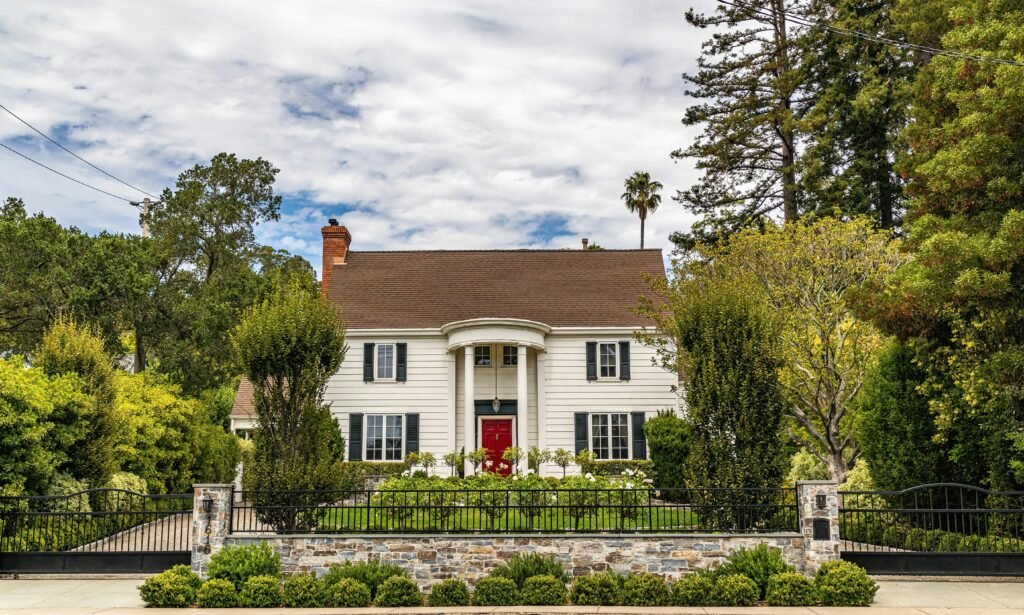
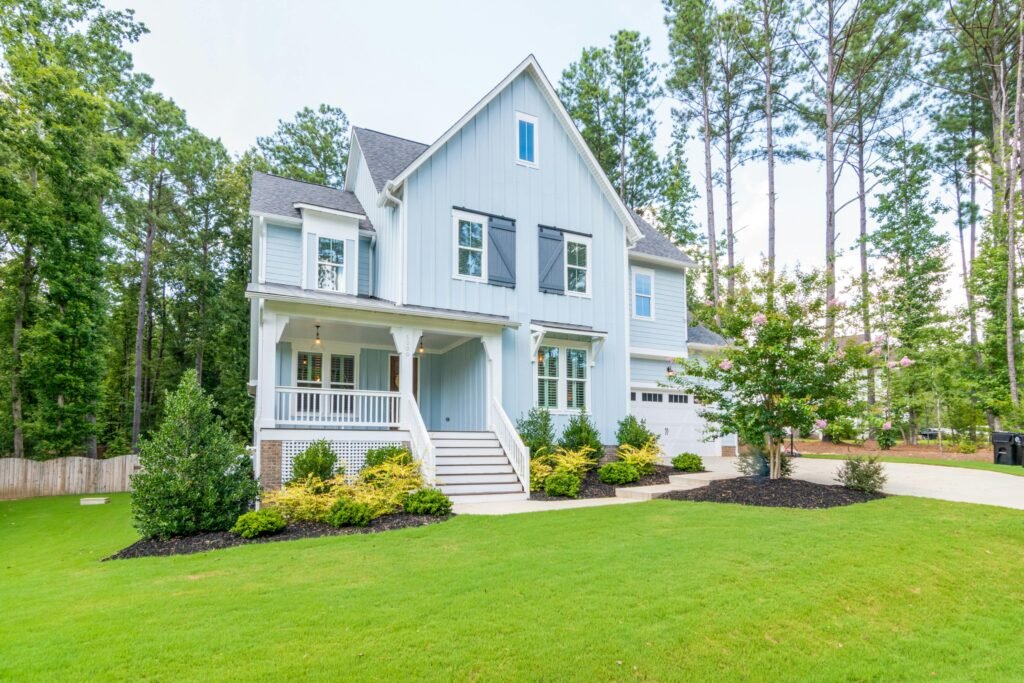
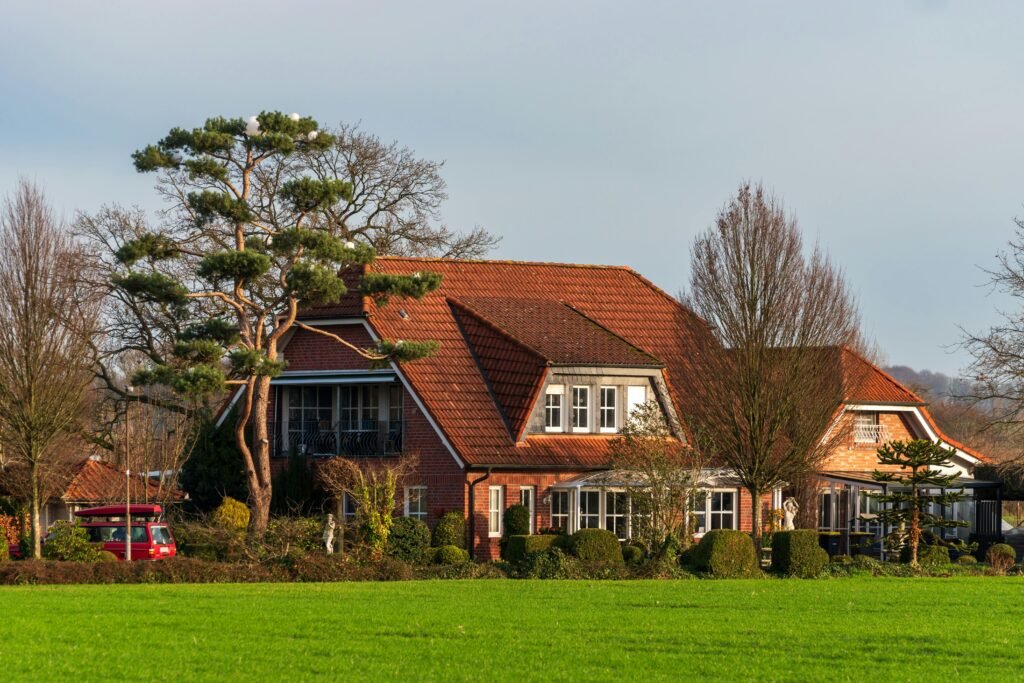
So why does this matter when you just want a beautiful garden and you’re not an architecture nerd? Because the plants you pick exist within a larger garden. Your garden exists within your overall yard. Your yard has many elements beside the garden, such as your house, driveway, trees, and other structures. Scale is about stepping back and looking at the overall landscape when you consider plant choices. It’s about assessing the surrounding structures to ensure that what you’re choosing works with the size of those elements. Take a look at the pictures below.
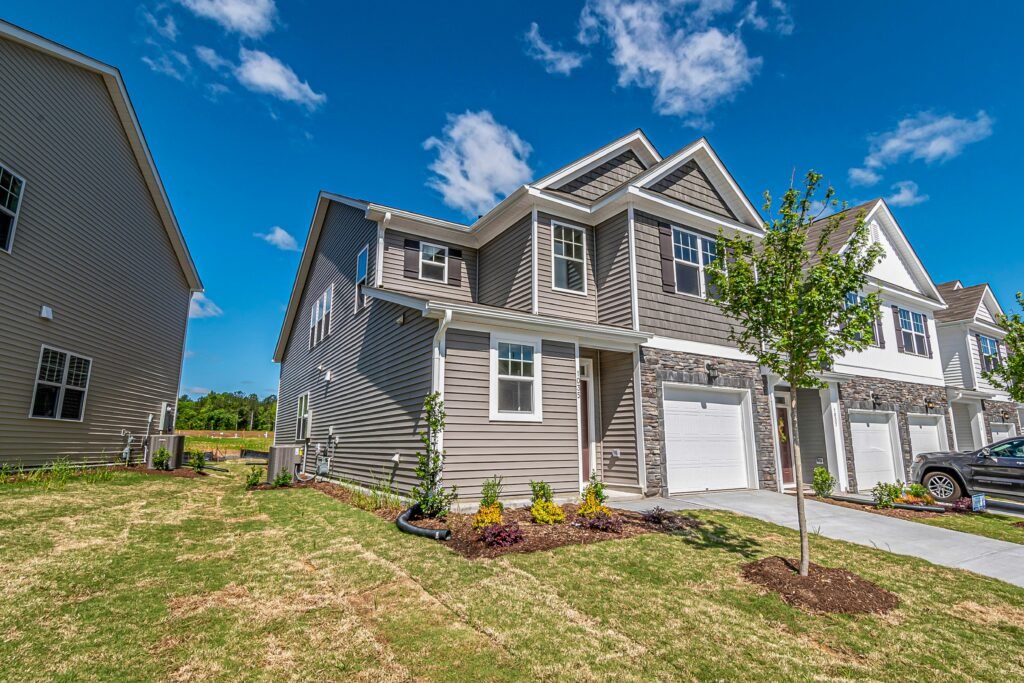
The above front landscape has very small shrubs that are dwarfed by the large size of the house. They do little to anchor the house to the landscape. In fairness, if proper shrubs were chosen, they may grow to a more appropriate size overtime. But so often I see either shrubs, even at their mature size, that are too small or much too large for the space they’re planted. This is especially common in front landscapes where the primary role of the garden is to help integrate the house into the overall landscape.
In this next photo, the shrubs are a bit larger and help anchor the overall house and front porch to the surrounding yard. The small ornamental trees on either side also play a critical role in this. They help the corners of the house seem grounded in the yard and help round out the square edges of the structure to create a softer, more natural feel for the yard. Humans respond positively to a structure being integrated into the landscape rather than looking like it was dropped in the middle of a field. Many of us have probably driven by new housing developments that were literally built on top of a farm field. Unless existing, mature trees are preserved, these houses look out of place until the landscaping grows over time.
How to use Scale in the Landscape
- Look at the surrounding elements in your landscape. Is your house two stories or one? Is it narrow or wide? Are there large trees nearby? Do you have a flat open area? Do you have other structures in your landscape such as fencing, a garage, shed, or patio?
- Consider what you plan to grow. How can you integrate those new plants into your existing landscape being mindful of scale? If you plan to do raised beds, which are typically low to the ground, and you have other tall elements nearby, pay attention to that. Perhaps a trellis between two raised beds could add a necessary vertical element.
- Pay Attention to Neighboring Plants. When you’re planting in a new or existing garden, see what plants will be next to each other. If you have a 6-foot shrub you’re planting for privacy, you may consider some lower perennials to go in front that are in the 3-4 feet range. Then, in front of the perennials you could plant a low ground cover. This will help the plants gradually decrease in size and be more pleasing to the eye than a stark transition of tall shrubs down to the ground level. It also creates layers in the garden, which we’ll talk about next.
Basic Garden Design Principles: Understanding Layers
Recently I was sitting outside at my picnic table on a warm winter day. It’s located near the fence line of a neighboring pasture and affords me a clear view of the open field and its edges. I noticed how much wildlife activity there was along those edges, where there’s a dense variety of plants all intermingled. Up high, there’s Cedars mixed with Osage Orange trees. Then there’s native (and some invasive) shrubs with a healthy dose of prickers mixed in. Next comes taller grasses and some perennial wildflowers. Lastly are the lower grasses and woodland groundcovers. It is a multilayered web of plants that offer a lot to nearby wildlife. The point is- these edges are structured in layers.
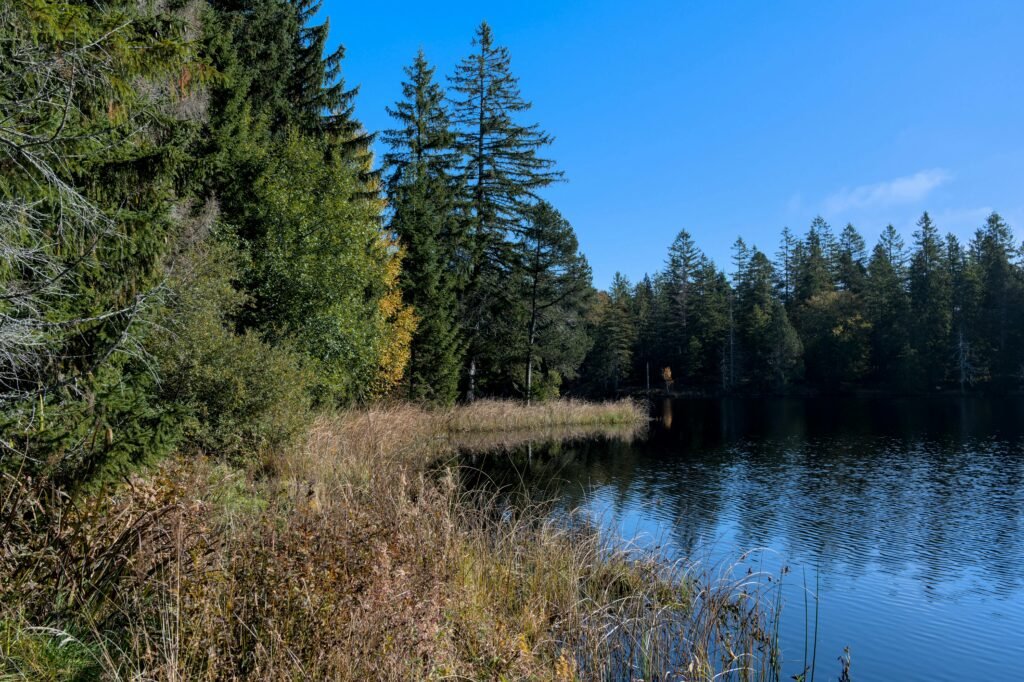
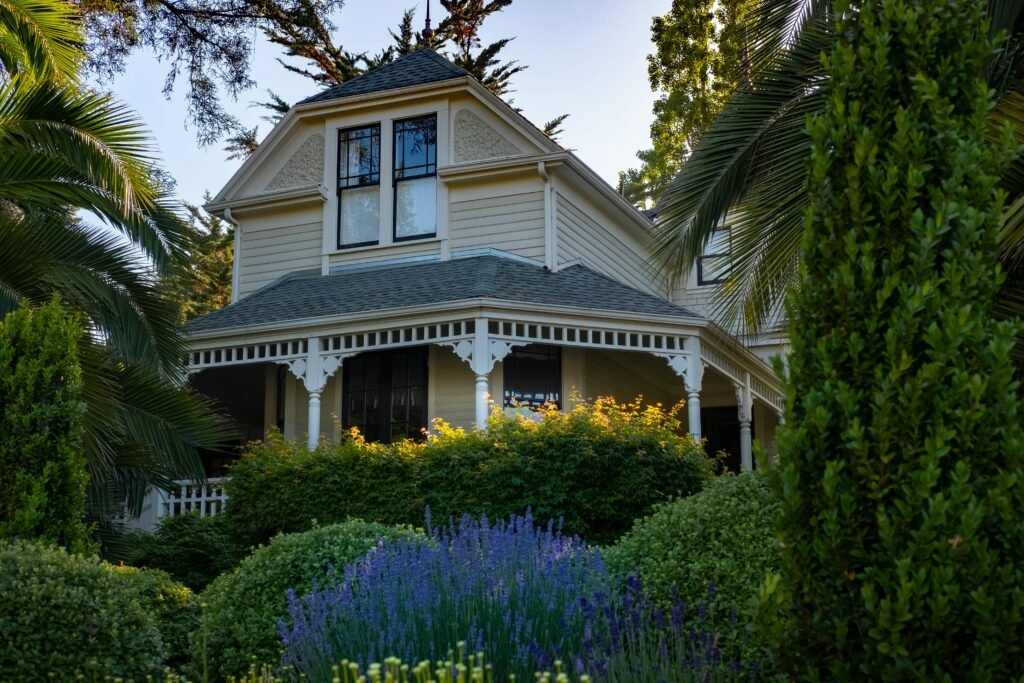
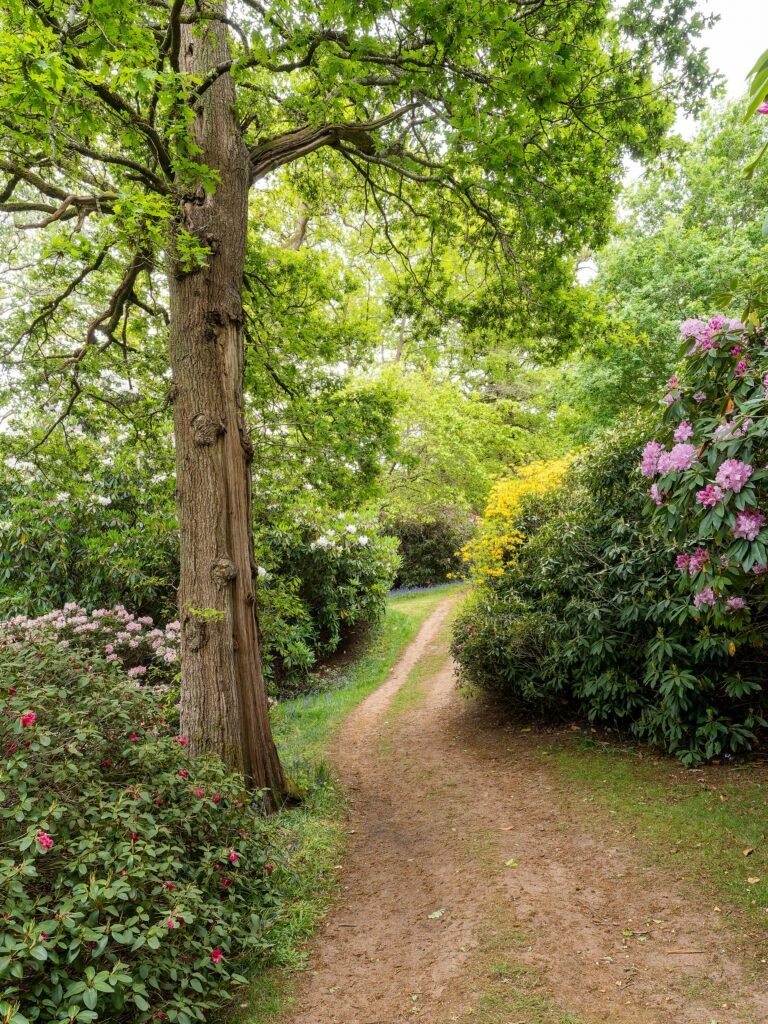
Very often humans try to mimic what they see in nature in their own backyard. While planting in layers offers a number of benefits to the surrounding ecosystem, it also looks pleasing to the eye. Instead of just a row of tall shrubs, layers of smaller shrubs, grasses and groundcovers help there to be a more gradual transition from low to high. The same principles can apply in our home gardens. When you’re planting your garden, consider different layers in your beds. In an edible garden, consider where to plant climbing vegetables, bush vegetables and then shorter plants, such as greens and creeping herbs. At your front entry, you may have some taller ornamental shrubs or trees that could be interplanted with smaller shrubs and perennials of varying heights in front.
How to use Layers in the Landscape
- Look for missing layers. Are there pockets where there is only one layer present, and it looks a bit unfinished? This could be at any height- tall shrubs, medium-height perennials or a low ground cover with nothing behind it.
- Notice the edges of your landscape. These could be the property boundary between neighbors, the edge of a garden bed, a woods line or even where your front yard meets the street. Are there edges that look abrupt in their transition of height? Are there places where you could layer plants to create a more gradual transition?
- Think in four layers. Trees, shrubs, perennial flowers/grasses, and groundcovers are four distinct layers. It may help you to evaluate your landscape if you envision these layers. You don’t always need all four, but it is a helpful starting point when evaluating what you have and what’s missing.
Start Using These Basic Landscape Design Principles
As you walk around your yard, take note of how you can apply what we discussed today. Good design can be learned. It’s not a magical unicorn that only some people are gifted with. It will take time, practice and some trial and error to improve the aesthetics of your garden. But isn’t that the way gardening normally goes? Also, remember that beauty matters. We were designed in our creator’s image, and He created a beautiful world for us to steward. Form and function both have their place and can be powerful partners in the landscape. Take note of scale and how the size of things relate to each other and people in the garden. Finally, look for layers that can be added to integrate beauty and wildlife benefits to your garden. Next time we’ll tackle the principles of shape, form, and texture in the garden. Until then, get outside and start looking around with your designer’s eye.
One Comment