How to Understand Basic Garden Design Principles: Part 2
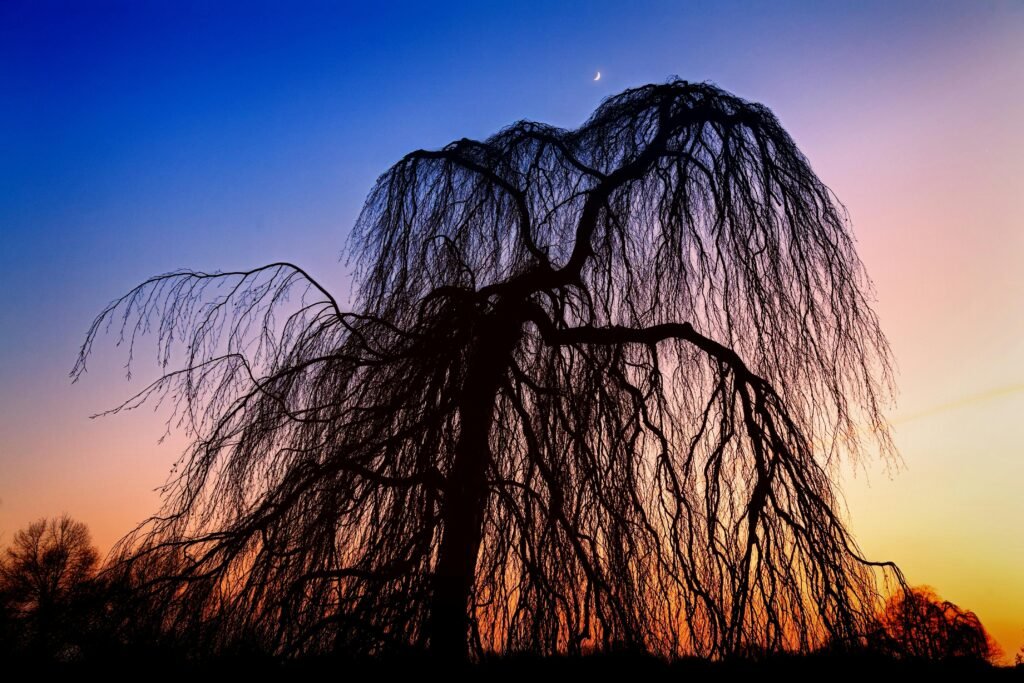
In Part 1 of this series on Basic Garden Design Principles, we discussed the importance of beauty and how to understand the concept of scale. Today, we’ll be tackling three more principles- shape, form and texture. Basic shapes play a large role in the feel and personality of a garden. They may convey formal air to a space or a feeling of playfulness and whimsey. Certain shapes symbolize emotions or feelings, such as Weeping Willow. Seeing that tree, typically planted next to a body of water, may communicate a sense of sadness or sorrow.
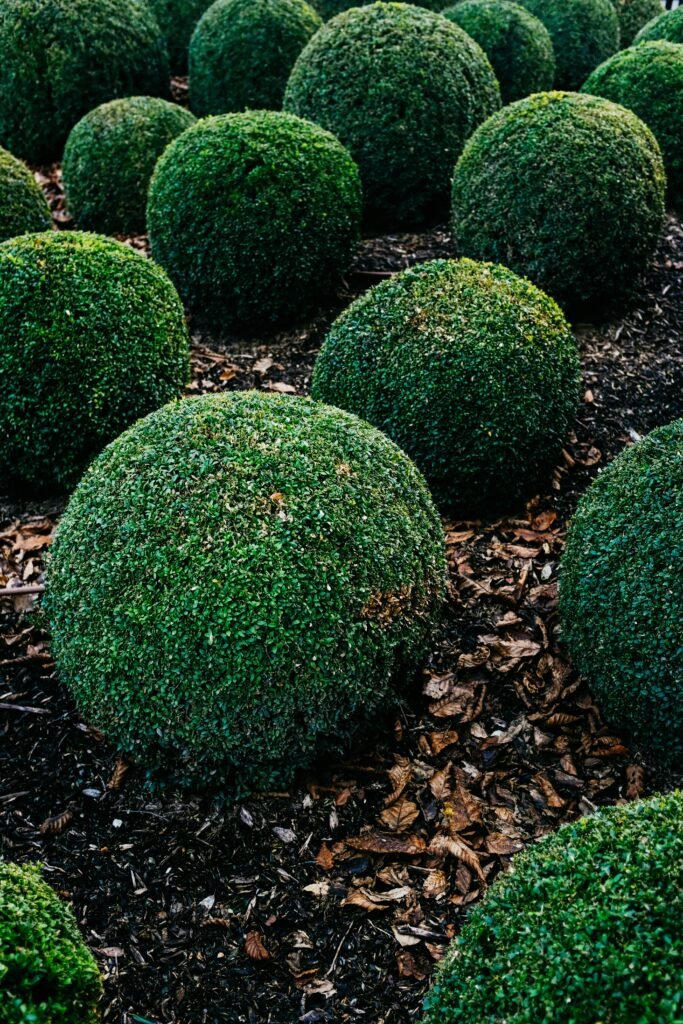
Meanwhile, a row of globe-shaped boxwoods brings to mind formal gardens you may find at an English estate. Simply put, shapes convey a certain personality and greatly affect the overall mood of the space. Texture is an often-overlooked concept in garden design but adds much needed life, movement and interest. If you’re looking to take a deeper dive into this topic, I highly recommend checking out the book Garden Home by P. Allen Smith. It walks you through many of these basic garden design principles in greater detail with beautiful accompanying photos.
Today we’ll look at how to observe and note the shapes, forms, and textures present in your garden. Before we do, let’s define our terms:
Shape is the basic outline of something and has common names- square, rectangle, triangle, and circle.
Form is descriptive in nature and goes beyond the basic shapes we’re familiar with. Is it round, oval, oblong, or columnar?
Texture is the surface of something and how smooth or coarse it is.
Shape and Form as Basic Garden Design Principles
When trying to observe shape and form in the garden, start by looking for basic shapes- square, rectangle, circle, triangle. Then see them slightly varied as different forms- oval shrubs, conical trees, vaselike perennials. It helps to take a step back and just look at the overall form, not the details. Look at the edges and outlines.
Next, look at the negative space- voids or holes in the landscape. What role do they serve? The simpler the form, the bolder they are in the landscape. For example, the silhouette of a round tree outlined against the sky at sunset creates a bold picture in the mind. Start to notice ho the different shapes and forms in the landscape affect how the space feels.
Common Plant Shapes of Basic Garden Design Principles
Some typical plant shapes you’ll see in garden plants include:
Columnar- these are upright, rigid shapes that add order and formality to a garden, such as an arborvitae or hornbeams.
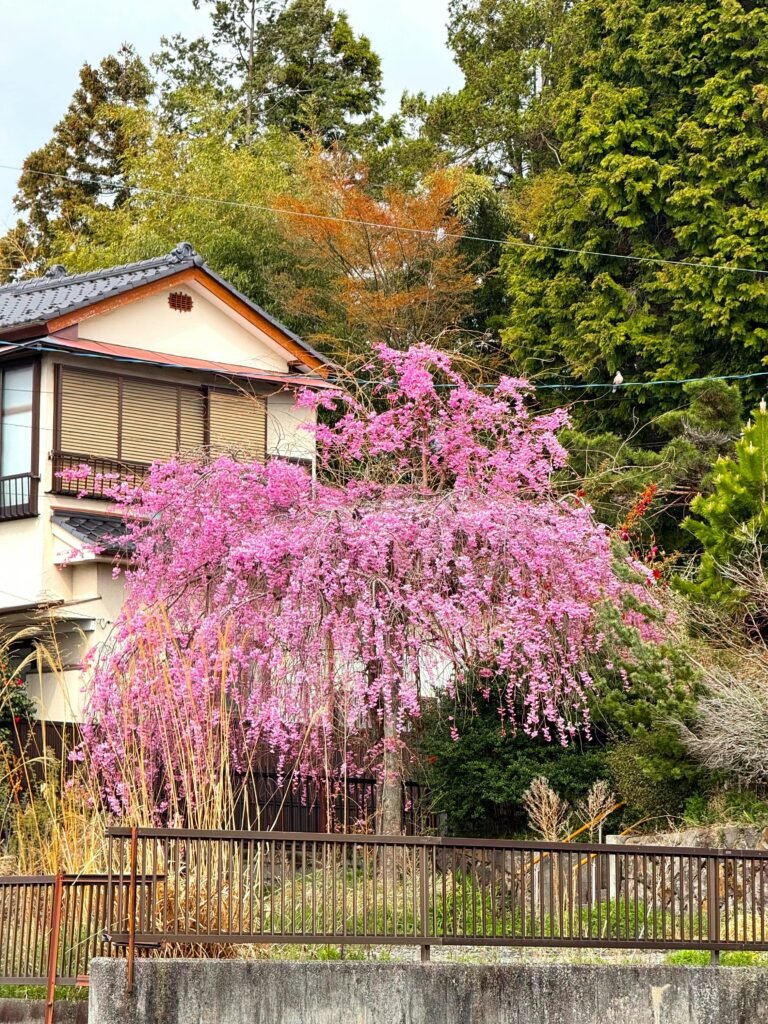
Weeping– these plants have arched branches that bend low to the ground. They add a dramatic and flowing effect to a garden. Examples are Weeping willows, cherries and birches.
Vase- plants with an upright, vase shape offer a sense of formality to the garden and include crype myrtle, some spirea varieties and beautybush.
Vertical- these plants have grow distinctly more up than out. Examples include iris, upright perennial grasses, and New Zealand flax.
Conical- this is a common shape in evergreen trees and shrubs, such as spruce,;pine, and fir, and add a feeling of solid structure to a garden.
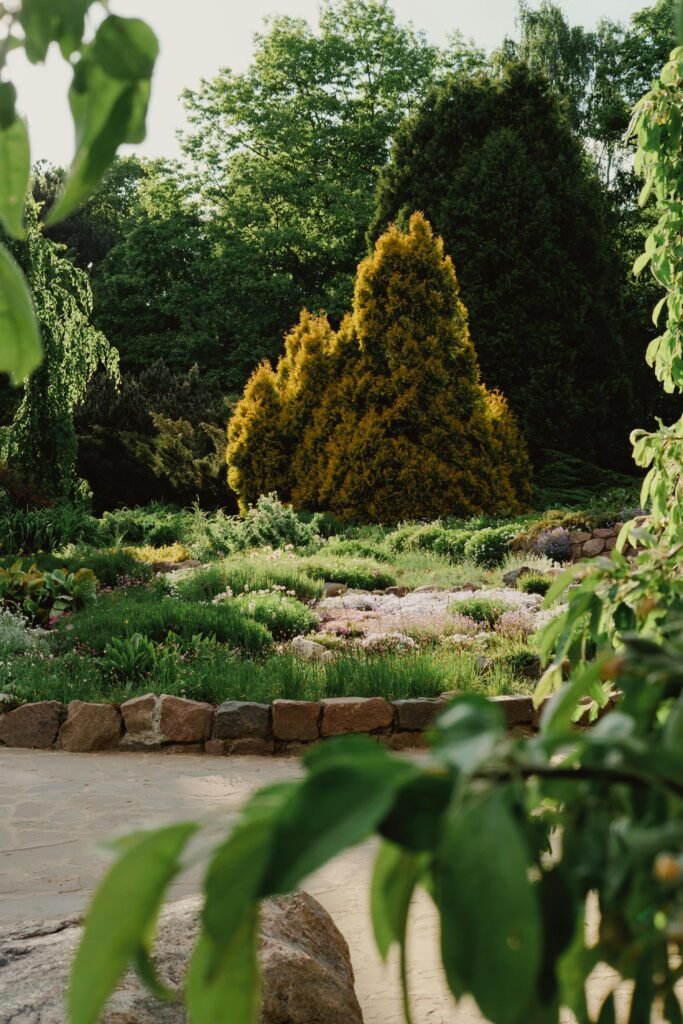
Oval-this is a classic shape that you often see in a child’s drawing of trees. This shape can be both formal or playful and is commonly found in flowering pears, maples, serviceberry, ash and cherry.
Round- another kid-friendly shape, rounded plants lend a sense of rhythm or whimsy to a garden. Boxwood is a classic plant used in this shape along with dwarf spirea, hollies, dwarf, needled evergreens and even the perennial allium.
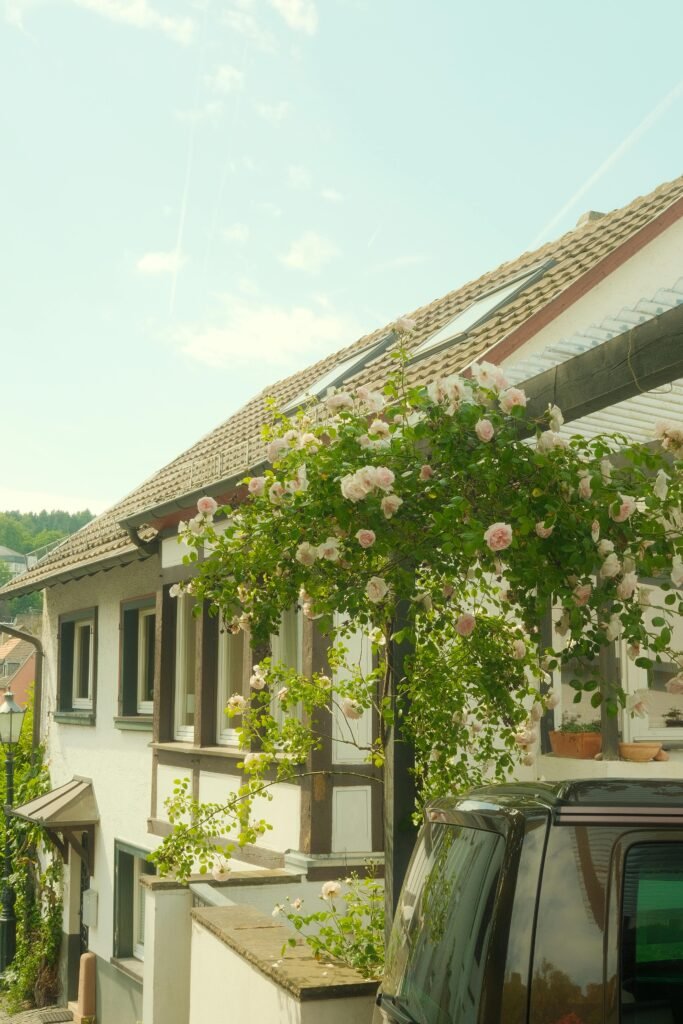
Spreading/Climbing-These plants will creep and extend along the ground or up a structure and can add a sense of shelter, romance and whimsy to the garden. Climbing hydrangea, roses, dutchman’s pipe, morning glory and even climbing edibles (cherry tomatoes and squash) add interest to otherwise forgotten spaces.
Texture as a Basic Garden Design Principle
While we often are wowed by a plant’s vibrant or unique blooms, that only represents a small portion of time that the plant puts on a show. The rest of the year, we’re observing the plant’s branches and bark (if woody in nature) and its foliage. Texture, which is focused on the surface of the plant, plays a huge role in the interest it offers aside from its blooms.
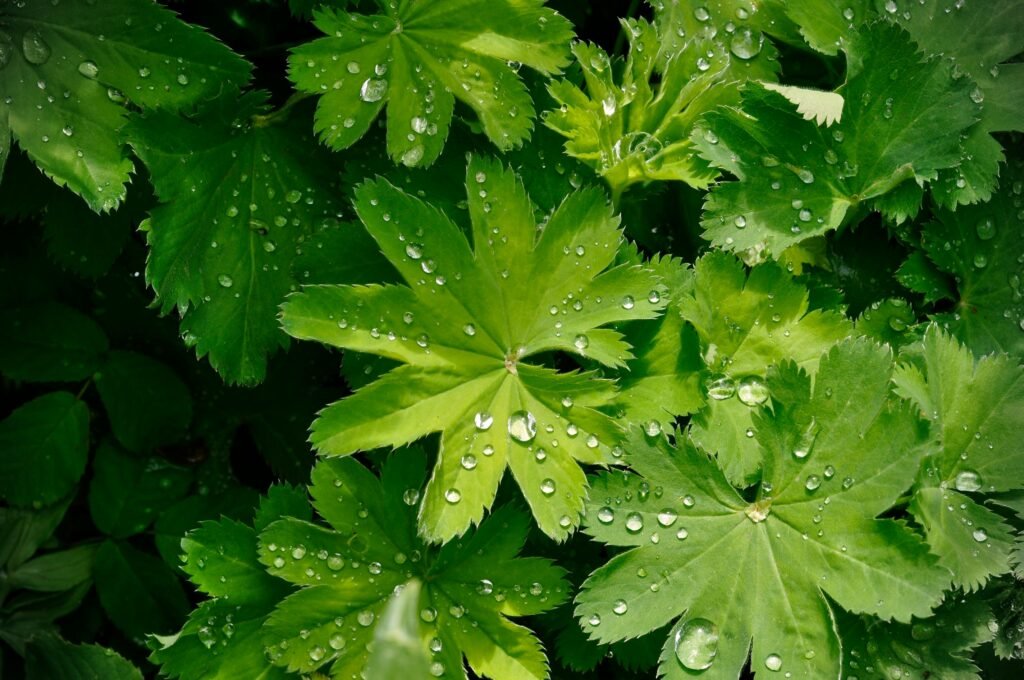
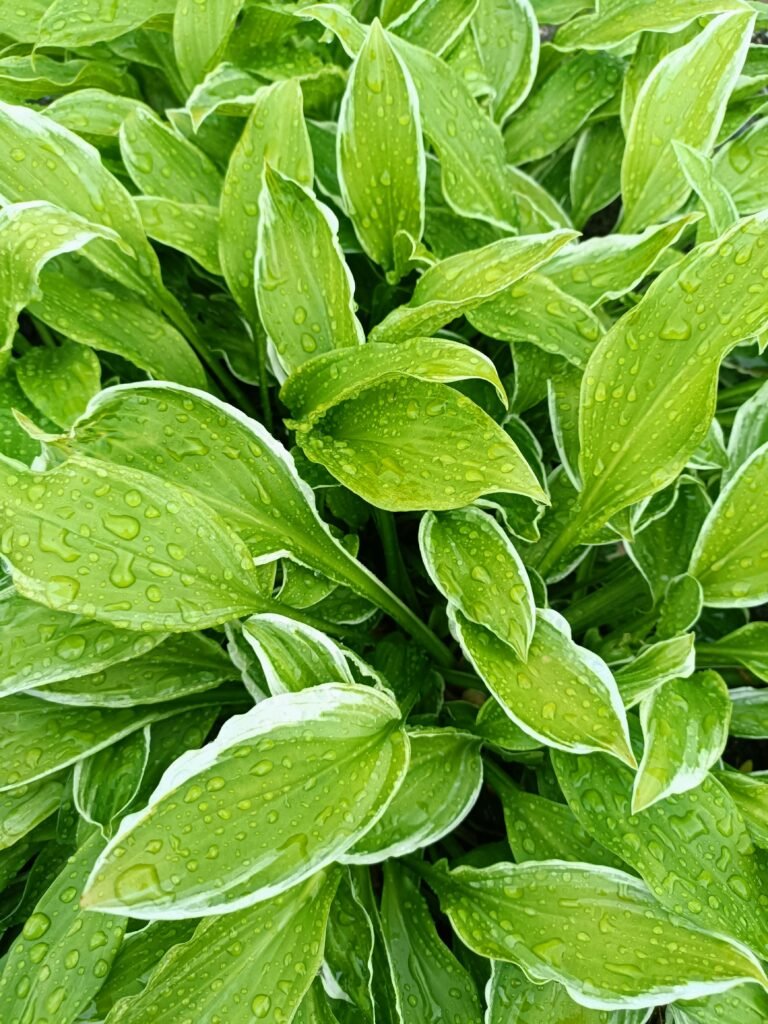
Let’s start with the texture of leaves on a few perennnials. Lady’s Mantle is known for it’s chartreuse, fuzzy leaves. Due to the soft texture, these leaves hang onto early-morning water droplets which shine like jewels in the sun. The leaves offer season-long interest even after their yellow flowers have faded away. Alternatively, the large, smooth leaves of dark green and blue hosta are a common sight in many gardens. They are a sturdy backdrop to many other perennials, and their rich leaf color reflects light in dark corners.
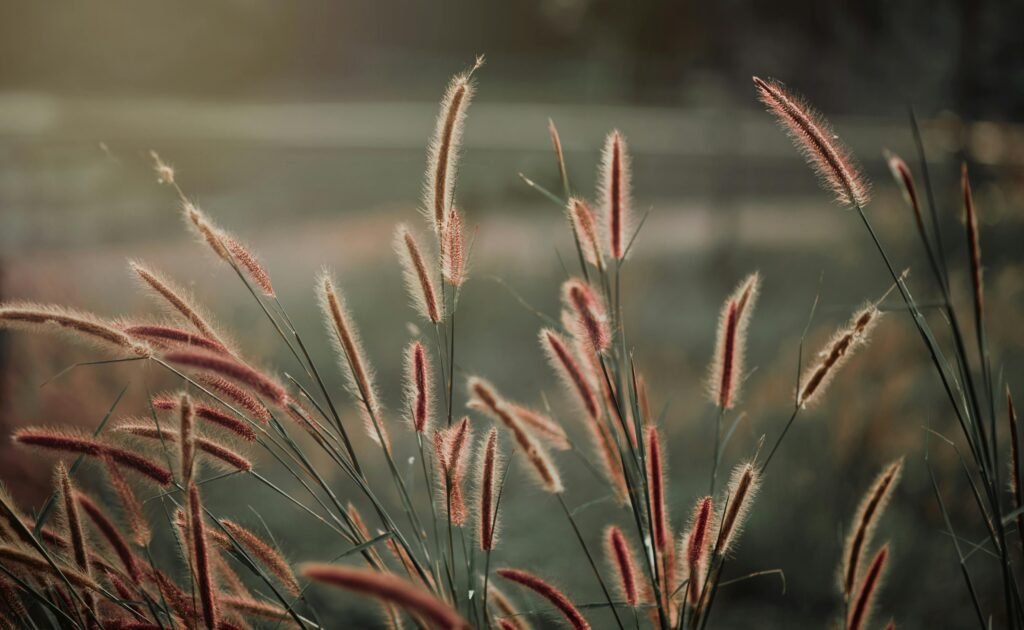
When the feathery seed heads and narrow leaves of switch grass move in the wind, they add a softness and airiness to the garden. Daylilies are known mostly for their colorful blooms but their narrow, clean-edged foliage plays an important role in the garden. Even when the blooms have passed, the rich green, upright foliage of daylily is a wonderful backdrop to let other perennials have their moment.
Common Textures in Garden Design
Fine textures- fine, airy, delicate, soft, feathery, furry
Bold textures-bumpy, flat and smooth, rough, coarse, ridged
How to Use Texture as a Basic Garden Design Principle
Perception of Depth– smooth, dark, dense plants can make a space feel smaller or more intimate because they present a solid wall of color. They don’t allow for any transparency or sense of distance. Plants that are looser in structure and lighter in color allow our eyes to see through them and offer a sense of depth and distance.
Generally, bold-textured plants appear closer to our eye and grab our attention. Finer-textured plants allow for a sense of depth and distance, and our eyes take in the broader landscape. A large planting of Russian Sage will add a sense of movement and depth to the back of a garden while a wall of boxwood will absorb the light and add a sense of enclosure.
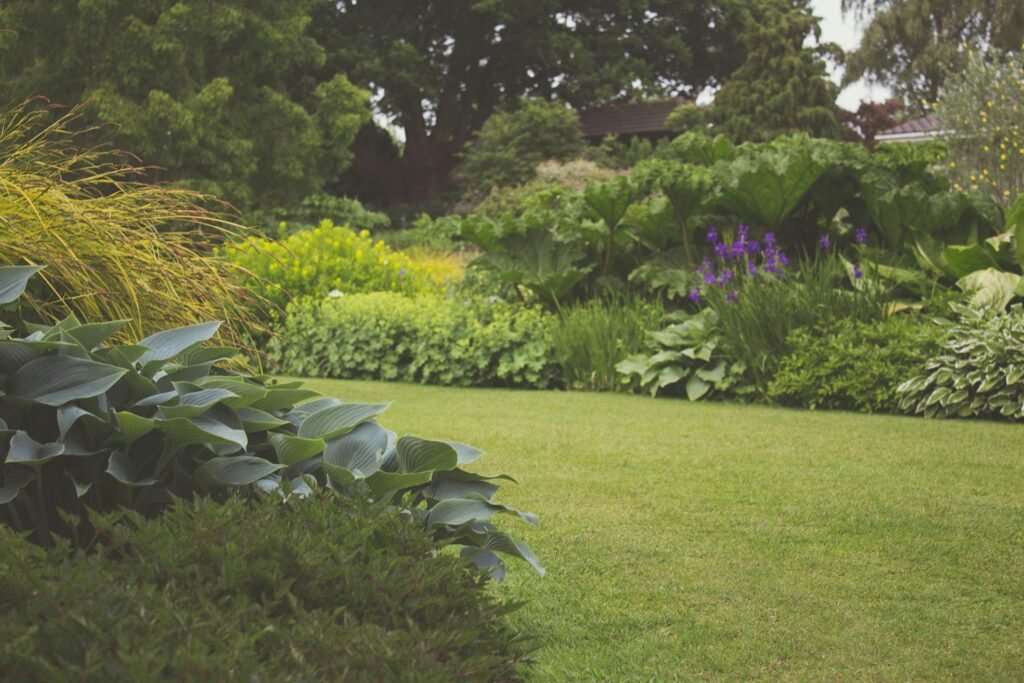
Texture as a Backdrop– a large grouping of one type of plant can serve as a backdrop for other plants in front of it. Whether the texture of that plant is smooth or rough, when planted in mass it reads as one solid background. There’s one plant that is a very common background in most people’s yards. You may not realize it at first, but your lawn offers a carpet-like texture and solid green backdrop for the neighboring plants.
Think through what the needs are for our garden space and use texture to help accomplish that goal. Do you need to add depth to your garden or add a sense of intimacy and enclosure? Do you want one corner of your garden to really stand out? Play around with contrasting textures. When you pair a smooth leaf with an airy textured plant, you create contrast. This can add interest, movement, and personality to an otherwise one-dimensional space.
Use the Basic Garden Design Principles of Shape, Form and Texture
This season, as you’re planning your garden and working amongst your plants, consider how you can use the principles of shape, form, and texture. If an area seems lifeless, boring or just not the right fit for the space, these ideas can help you assess what may be missing. Are the shape and form of the plants a good match for the feeling you’re trying to convey? Could the addition of certain textures add some movement to an otherwise flat space? With intentional use of texture in the garden and thoughtfulness with shape and form, you’ll greatly increase the beauty and interest of your garden.