Planning for the New Year: Lessons from the Garden and God’s Word: Part 2
What tending the soil and studying scripture teaches us about faithful beginnings

We’re continuing our series on planning for the new year as a gardener, taking lessons from both soil and scripture to guide us in this process. In part 1, we discussed what it looks like to consider where you are and where God may be calling you to go in the coming months. We went over the core ideas, such as:
- Prepare Before You Produce– remember that taking the time to prepare always preceeds any lasting fruitfulness.
- Count the Cost– consider the resources you’re starting and what this new year may require of you.
- Trust Throughout the Seasons of Life– Just like in our gardens, life has different seasons. Knowing the season you’re in can help you accept it and work with it instead of fighting against it.
Today we’re going to wrap up this series on planning for the new year with three additional lessons we can learn from the garden and God’s word. In some ways, it’s through these three final principles that the rubber meets and road and meaningful growth happens. These are the concepts that you must keep at the forefront of your mind, especially when you hit a wall or growth feels stagnant. Stewarding these small but significant steps will lead to a life of rich fruit where your priorities are allowed the resources they require. Let’s dive in.
1. Small Beginnings Matter
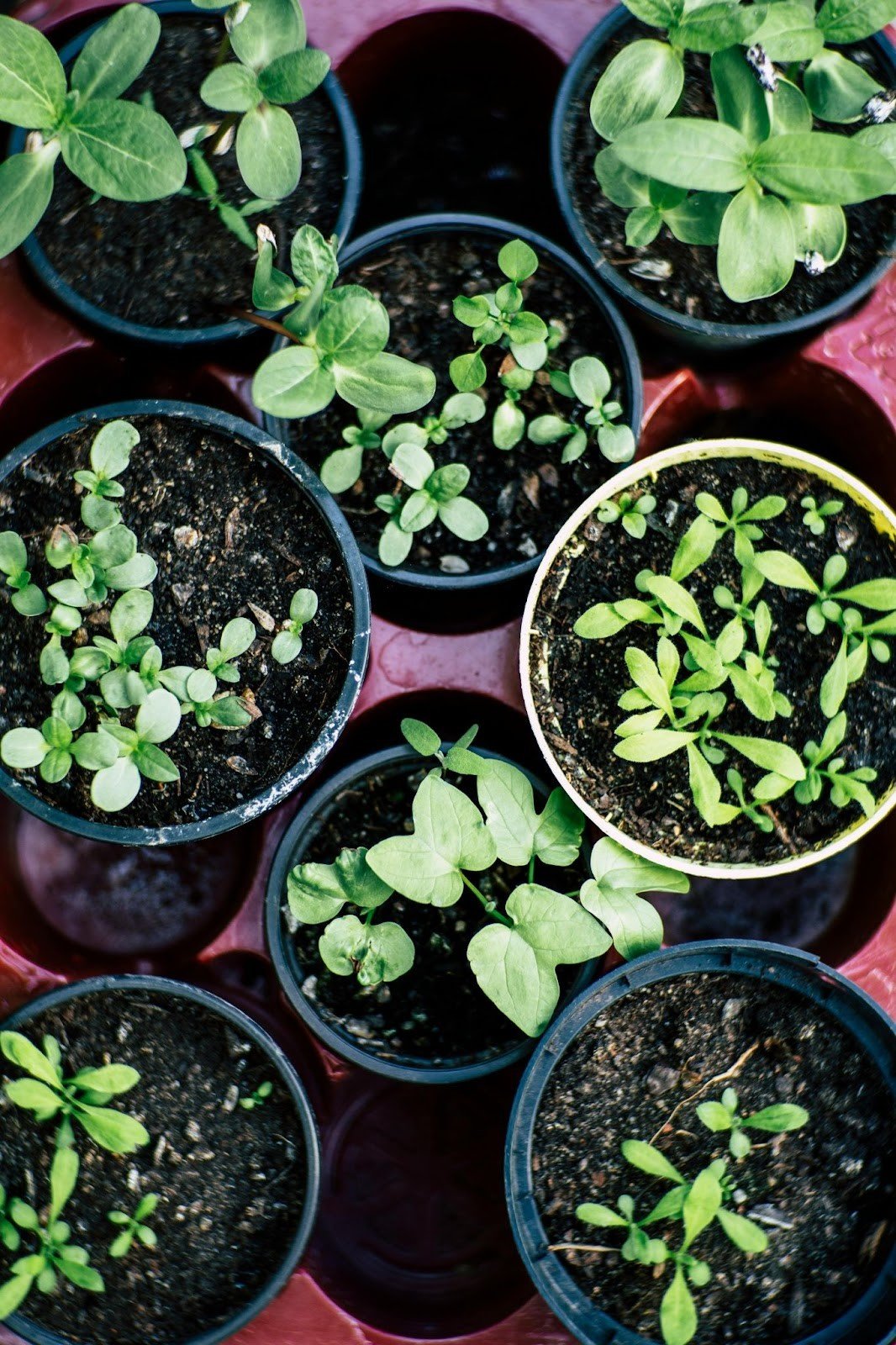
When I plant my garden seeds each spring, I’m always amazed that such a tiny thing can produce so much growth. That little seed is a powerhouse waiting to be unleashed when provided with steady nutrients, water, and sunlight. With proper tending, it will produce a good harvest as it was designed to do. Likewise, the different seasons of our lives are much to the same. We may start small but with steady care and attention, we will see growth over time.
Over time is the key phrase there. Just like a cucumber seed plated in the soil doesn’t produce cucumbers one week later, we must give our small beginnings the time they need. Last year, I planted a larger number of cucumbers, hoping most of them would survive. Not only did they survive, but it was the best cucumber harvest I’ve ever had. It took some time, but once they grew large enough, they put out a steady harvest of cucumbers every single week for much of the summer.
Zechariah 4:10 says “Do not despise these small beginnings.”. In this verse, the prophet Zechariah receives a vision from the Lord regarding the rebuilding of the temple in Jerusalem. God reassures his people to be faithful in the beginning stages of rebuilding, even when the end results are not immediately visible. If we’re aligning the considerations for our new year with the Lord and seeking his wisdom, we can move forward with faith and hope. Planning for the new year doesn’t need to be elaborate or big at the beginning to be faithful and fruitful.
2. We Plan, But God Directs

Have you ever had big expectations of what you hope your garden will look like and produce? You may envision a sea of beautiful cut flowers or a trellis full of ripe tomatoes waiting to be picked. Or you may have an old pack of seeds you tuck into the soil, with little expectation that it will amount to anything. They’re too old, you think. A few months later, after faithfully caring for your garden, those cut flowers are looking beautiful, but your tomatoes have been hit hard with disease. And those old seeds? They’ve completely taken over that forgotten corner of your garden and are thriving. As it is in the garden, such is in life.
When planning for the new year, I like to keep in mind one of my favorite verses in scripture. Proverbs 16:9, which states “In their hearts humans plan their course, but the Lord establishes their steps.” As someone who likes to plan (and control outcomes, ugh), I can also carry around a lot of anxiety and a level of responsibility that is not ultimately mine to shoulder. Scripture teaches us that there is wisdom in planning (aka “determining our course”). It also teaches us that it’s God’s job to determine what our exact path forward looks like (“the Lord establishes their steps”). The word “establish” here means to be set up, to be secure and steadfast, and to be arranged. I envision a narrow hiking trail full of roots and rocks. The path may be narrow, and we may not see clearly around the next bend but with God’s direction our footing is secure.
When planning for the new year, we do indeed make those plans and steward them well. But we also hold them with open hands, trusting God with the outcomes while tending what’s ours to tend.
3. Diligence Leads to Growth
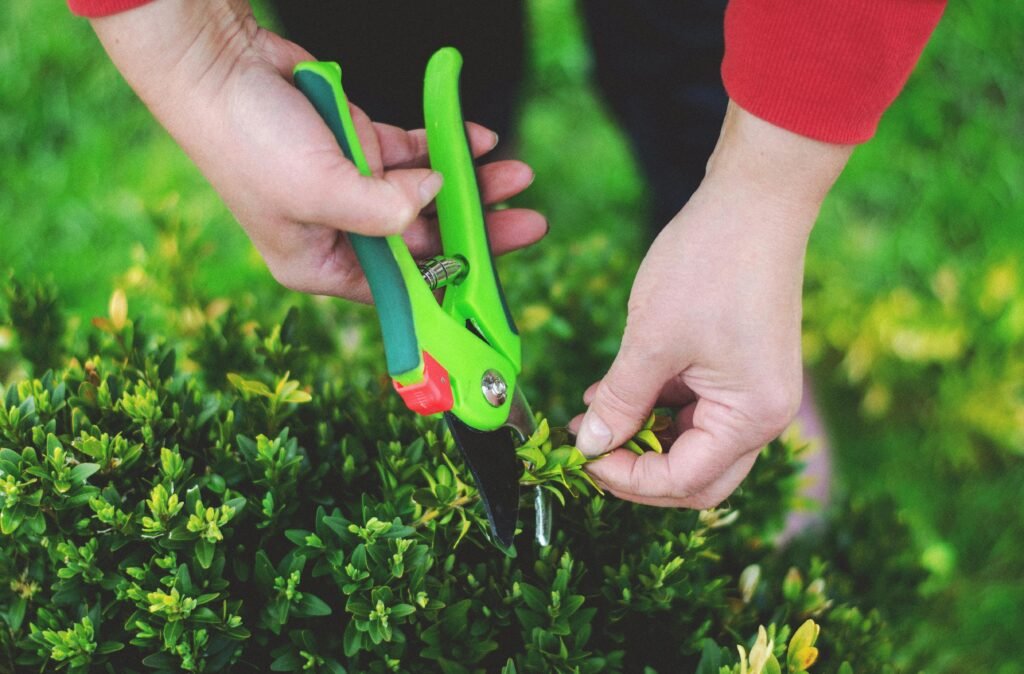
As gardeners, we know that a thorough and steady soaking of our garden beds is better for the plants than flooding them with water once every few weeks. When we water regularly, the soil is better able to absorb the moisture and provide water to the roots of plants. Similarly, small, regular inputs of time to keep up with garden maintenance are generally more successful than big blocks of time less often. Those weeds are easier to manage when they’re pulled out as tiny seedlings. The tomato plant is easier to train around the trellis bit by bit instead of waiting for a lot of growth that needs redirection.
Just like in the garden, when planning for the new year, regular care is key. We’ll experience steady growth and progress when we steward our lives with intention and diligence. Proverbs 21: 5 states, “The plans of the diligent lead surely to abundance, but everyone who is hasty comes only to poverty.” Rushed growth can lead to poor management, overwhelm, and ultimately a lack of consistent stewardship. Stewardship that leads to steady growth and good fruit requires a rhythm of care. It looks like daily obedience over dramatic gestures. It looks like small, intentional choices that lead to big gains as time goes on.
Final Thoughts on Planning for a New Year
Faithful Preparation, God-given Growth
In 1 Corinthians 3:6–7, Paul states, “I planted the seed, Apollos watered it, but God has been making it grow.” Paul was speaking to members of the Corinthian church and was encouraging them to work together towards God’s purposes. He reminded them that while they each have an important role, it was ultimately God who would bring the growth.
Whether it’s planning your upcoming garden or planning for the new year, keep in mind the role that both you and the Lord play in that process. Our role is to plan, prepare, and tend. God’s role is to direct our steps and bring the growth. As we continue to move into the new year, this is an opportunity to prepare prayerfully, tend faithfully and trust deeply in the One who holds it all together.