
#GardeningTips

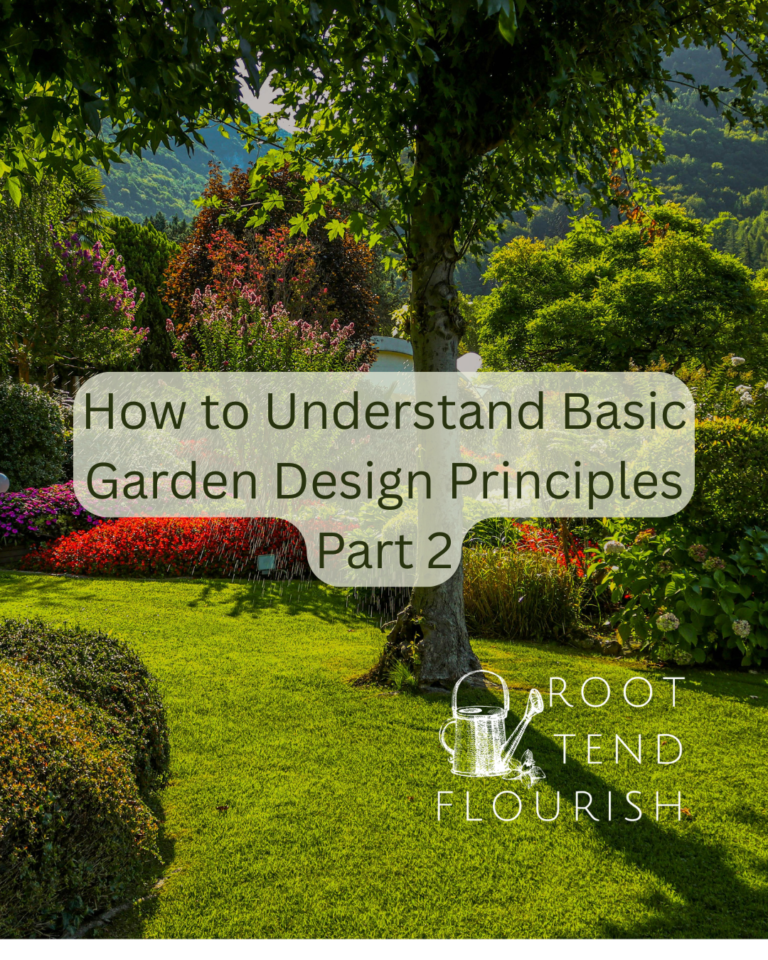
  • How to Understand Basic Garden Design Principles: Part 2

    In Part 1 of our series on Basic Garden Design Principles, we explored why beauty matters and how understanding scale shapes every outdoor space. Today, we’re diving deeper into three foundational elements—shape, form, and texture. These simple design tools influence the entire personality of a garden, from a formal, structured layout to a playful, whimsical retreat. Even individual shapes can stir emotion: think of the graceful sweep of a Weeping Willow, often planted near water, quietly evoking feelings of sorrow or reflection. Understanding how these visual cues work helps you design a garden that not only looks beautiful but also feels meaningful.
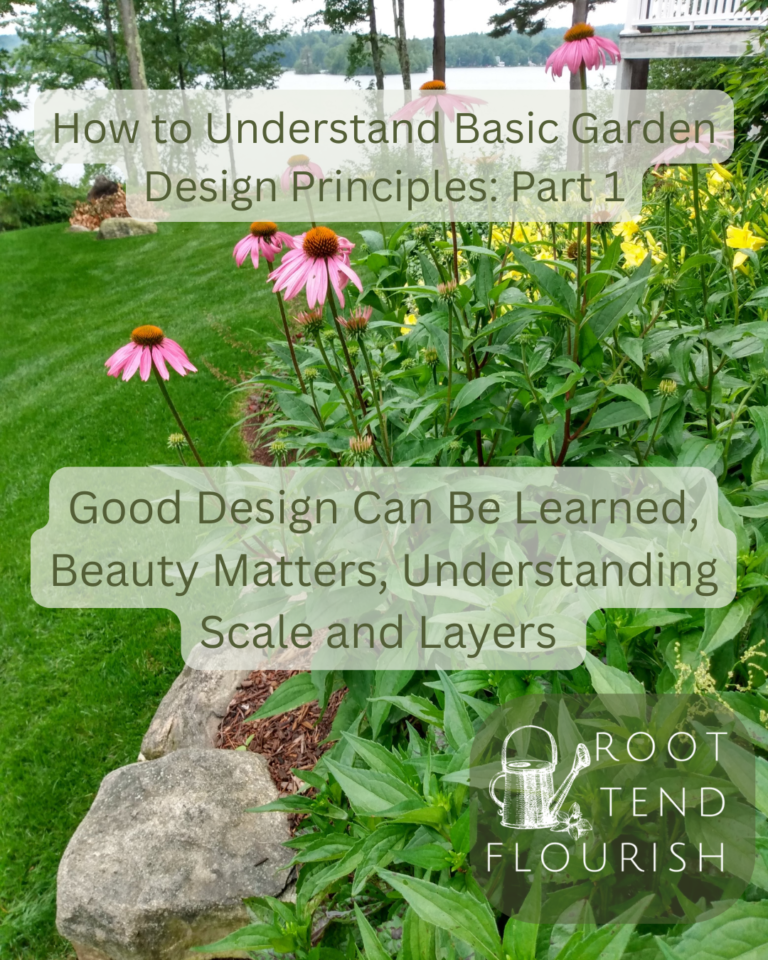
  • How to Understand Basic Garden Design Principles: Part 1

    Garden design doesn’t have to feel intimidating or reserved for experts with fancy accents or years of formal training. While it’s easy to imagine designers as naturally gifted creatives, the truth is far more encouraging: basic garden design principles are completely learnable. With a little guidance and a willingness to experiment, anyone can begin creating outdoor spaces that feel intentional, beautiful, and uniquely their own.

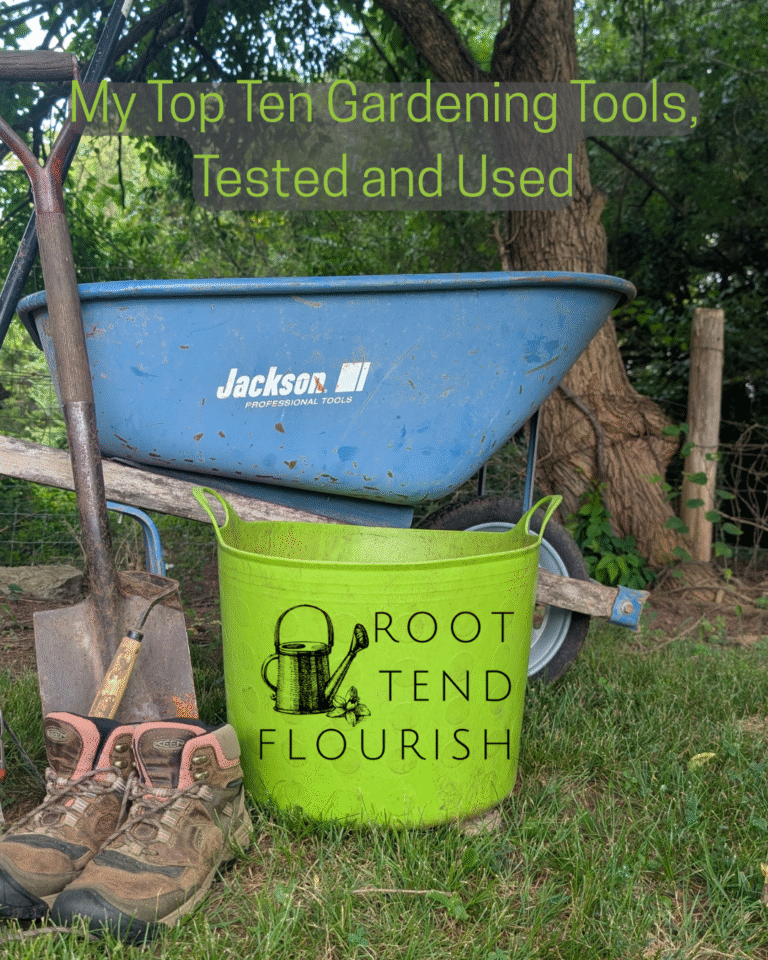
  • My Top Ten Gardening Tools, Tested and Used 

    After 25 years of digging in the dirt—both in my own garden and on client properties—I’ve learned which tools truly earn their place. I keep my selection minimal, favoring durability and versatility over excess. These top ten gardening essentials are my go-to for getting the job done efficiently, with less fuss and more function. Let’s dig into the ones I reach for most often and why they’ve stood the test of time.