How to Make Garden Seed Bombs
This spring I had the privilege of teaching a fun class at a local library. We dug into why pollinators matter and how to plant a garden that welcomes them in. And of course… we ended with a hands‑on project!

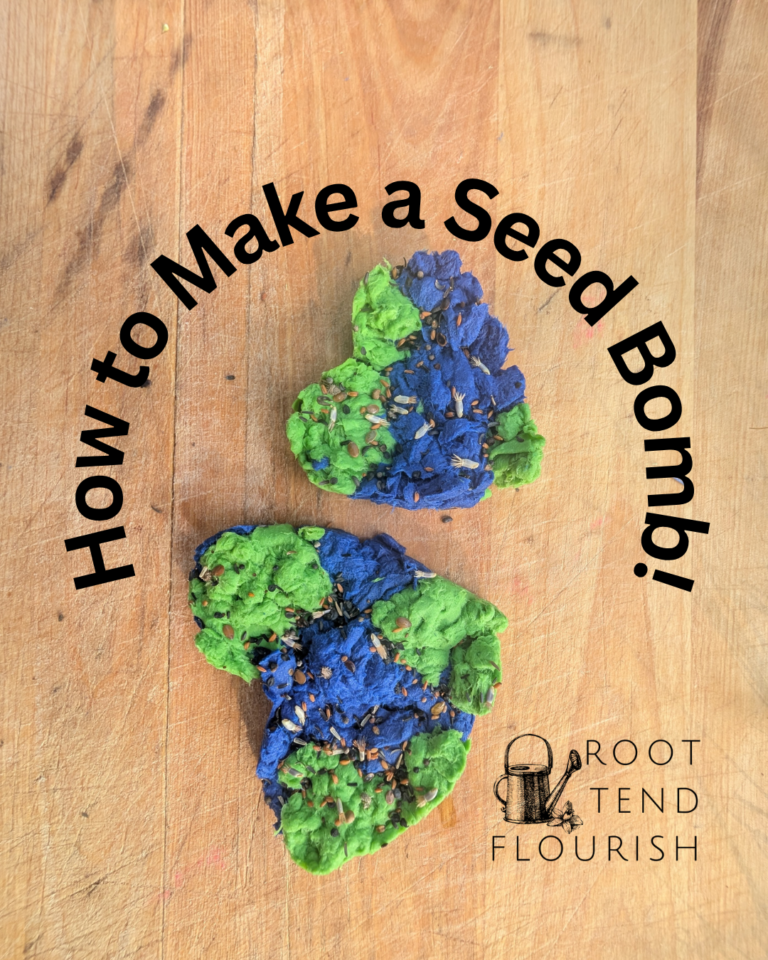
This spring I had the privilege of teaching a fun class at a local library. We dug into why pollinators matter and how to plant a garden that welcomes them in. And of course… we ended with a hands‑on project!
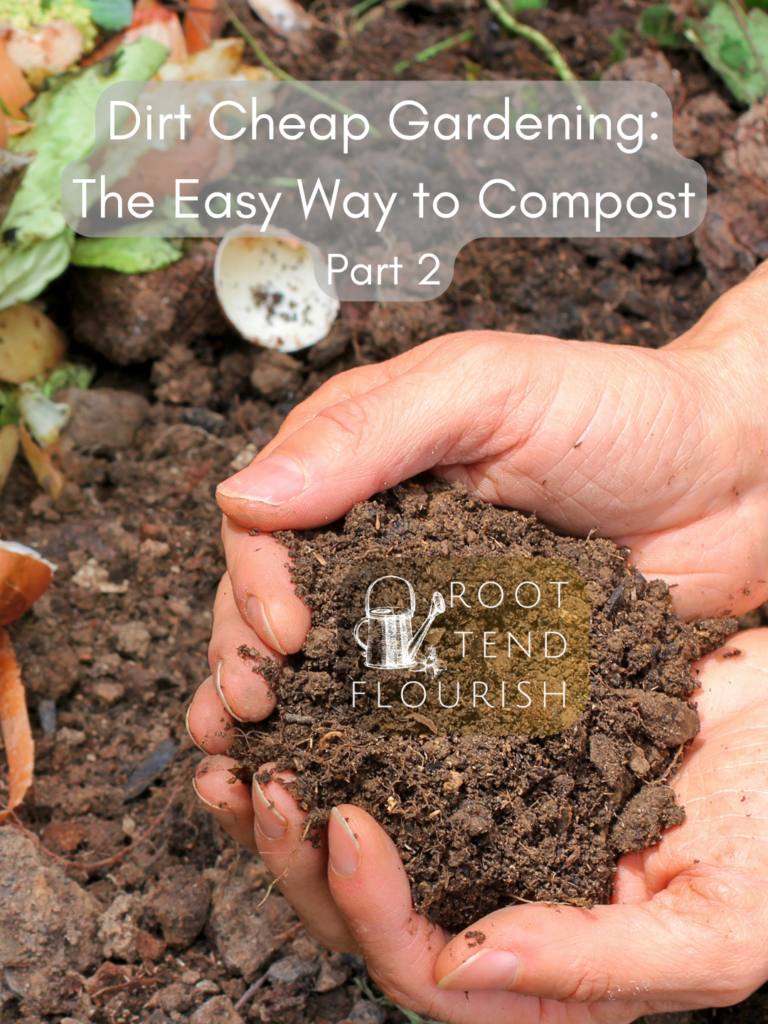
Starting a compost pile is one of the easiest and most rewarding ways to cut down on household waste while creating something incredibly valuable for your garden. Instead of throwing out food scraps and yard clippings, composting turns them into nutrient‑rich soil that boosts plant health and strengthens your garden from the ground up. In Part 1 of the Easy Way to Compost series, we covered what compost is and what belongs in a healthy pile. Today, we’re taking the next step—how to build and maintain a compost pile that works efficiently, breaks down naturally, and supports your garden all season long.
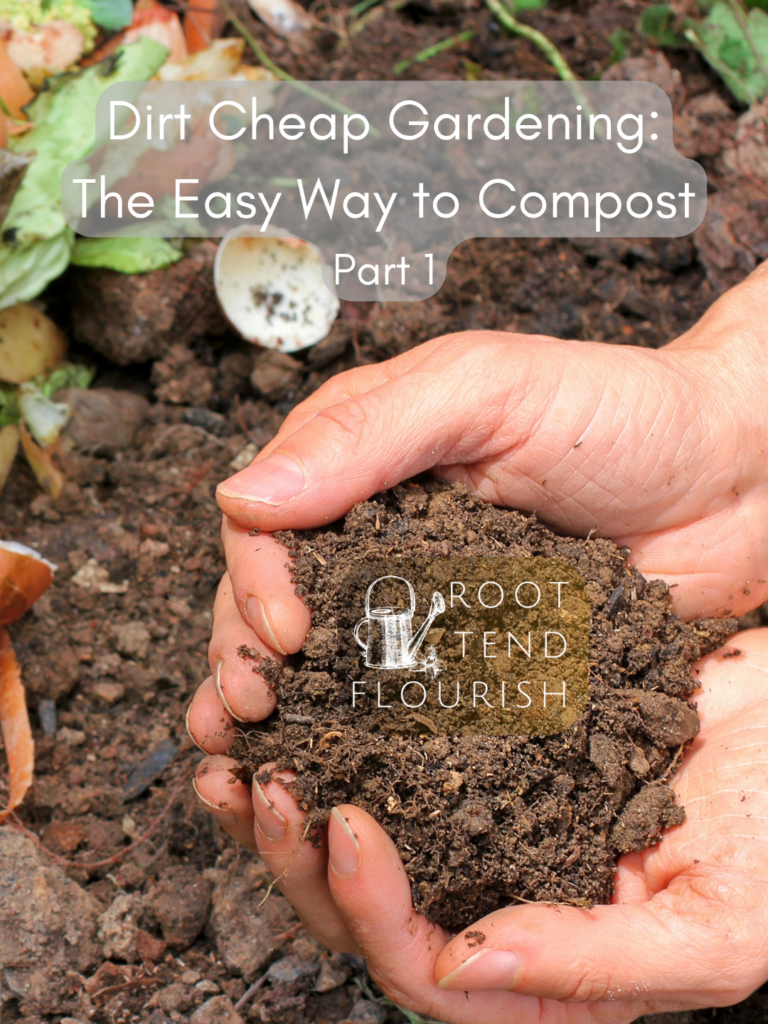
Compost is often called black gold because it’s so good for your garden. It’s full of nutrients, it’s renewable, and it keeps a lot of kitchen and yard waste out of the landfill. While I love using compost in my garden, I don’t always love paying for it. The good news is that making your own compost is a simple skill almost anyone can learn. Today, we’re going to look at an easy way to compost and the basic steps to start your own compost pile. It doesn’t have to be hard or confusing, and a little effort this spring can give you rich compost for years. Let’s dig in.
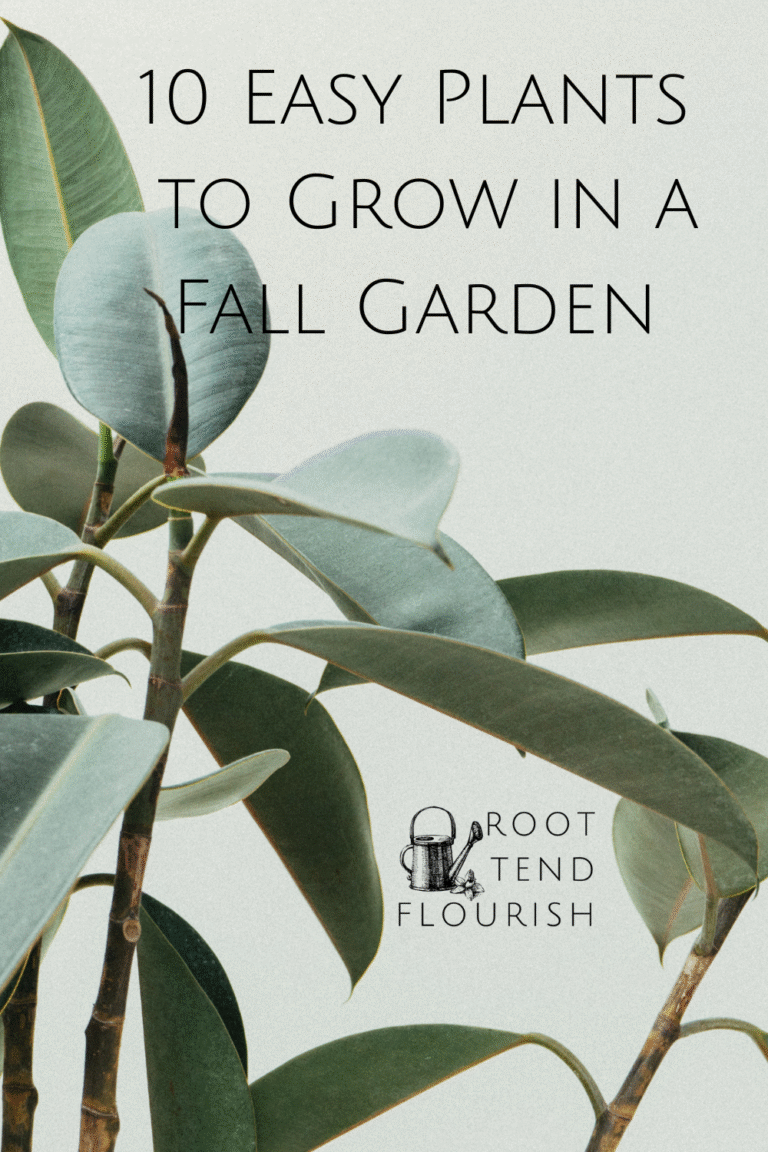
Spring and summer may steal the spotlight, but fall holds its own magic for gardeners. As temperatures drop and pests retreat, it’s the perfect time to plant hardy, low-maintenance crops that thrive in cooler weather. Whether you’re a seasoned grower or just digging in, autumn offers a chance to keep your garden vibrant and productive well beyond summer’s end. Check out this blog post today!
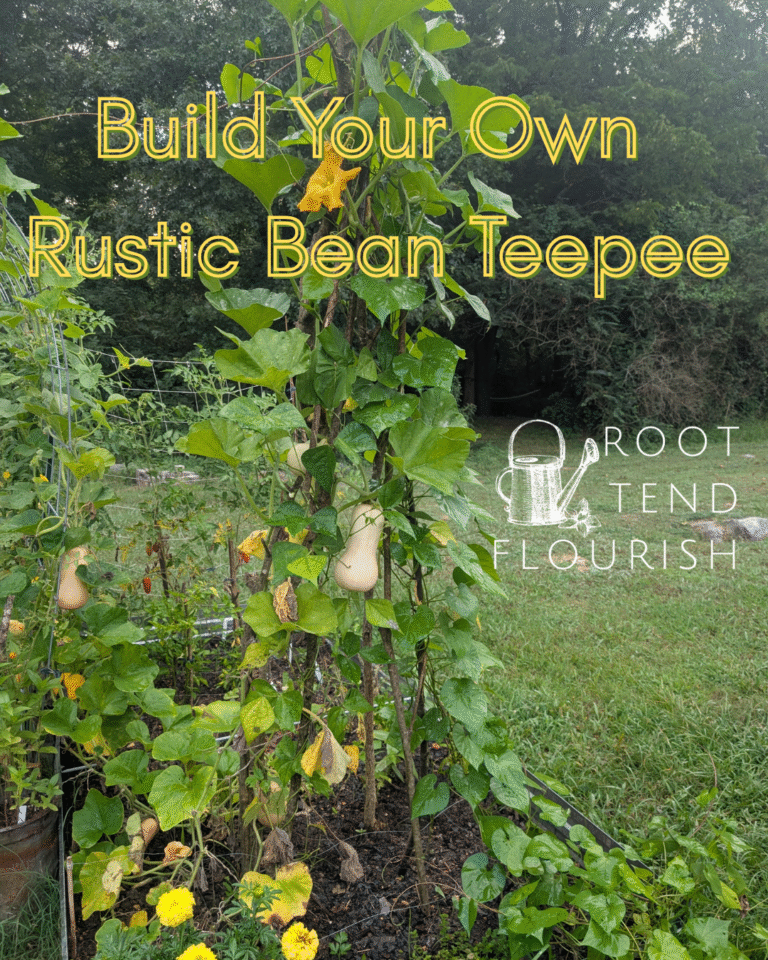
Discover how to build a rustic bean teepee using foraged materials from the woods! This DIY garden structure adds charm and support for vining plants like beans, cucumbers, and squash—perfect for a country-style edible garden.
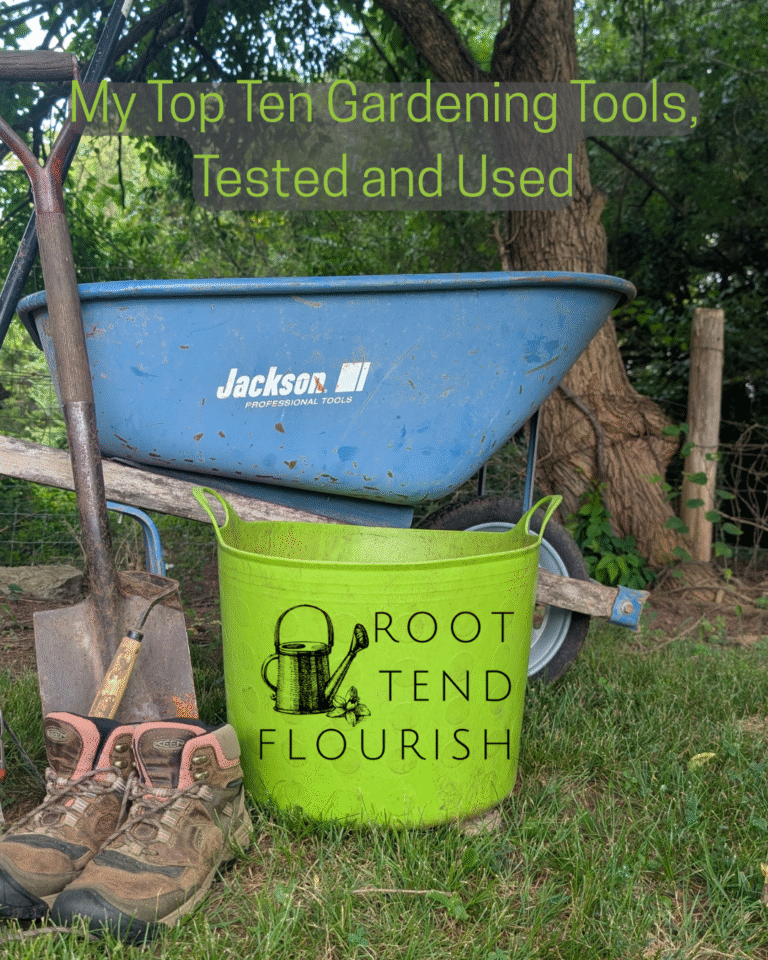
After 25 years of digging in the dirt—both in my own garden and on client properties—I’ve learned which tools truly earn their place. I keep my selection minimal, favoring durability and versatility over excess. These top ten gardening essentials are my go-to for getting the job done efficiently, with less fuss and more function. Let’s dig into the ones I reach for most often and why they’ve stood the test of time.
We use cookies to improve your experience on our site. By using our site, you consent to cookies.
Manage your cookie preferences below:
Essential cookies enable basic functions and are necessary for the proper function of the website.
These cookies are needed for adding comments on this website.
Statistics cookies collect information anonymously. This information helps us understand how visitors use our website.
Google Analytics is a powerful tool that tracks and analyzes website traffic for informed marketing decisions.
Service URL: policies.google.com (opens in a new window)
You can find more information in our Disclosure & Privacy Policy and Disclosure & Privacy Policy.